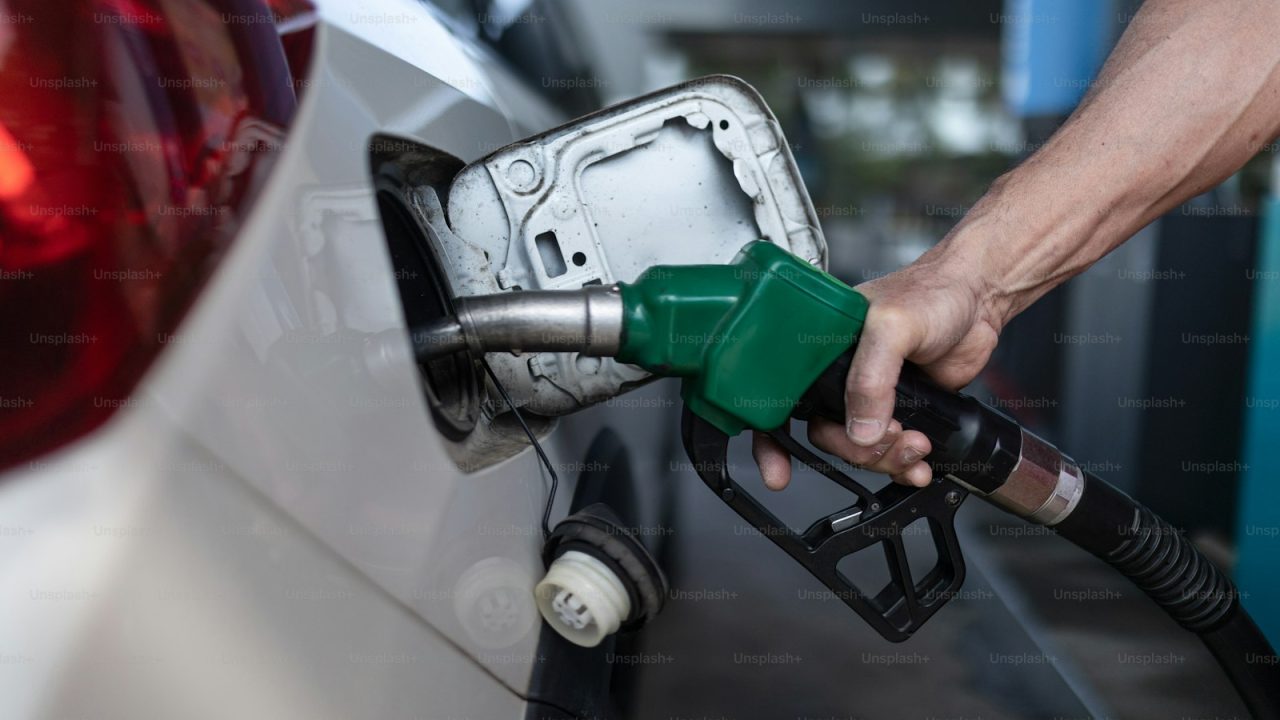

A gas station POS is the system that controls fuel dispensers, runs the convenience store register, and settles card payments at both the pump and the counter. It is not a standard retail register with a fuel add-on. It has to talk to the forecourt controller (the device that authorizes pumps), price fuel by grade in real time, handle pay-at-pump card reads with EMV, and reconcile fuel sales against tank inventory at the end of each shift. Picking the wrong system means manual price changes, failed pump authorizations, and chargebacks you cannot win.
ProTech Payments works with gas stations and convenience stores across Katy, Houston, Sugar Land, Cypress, and the rest of Fort Bend County. The decision comes down to a few measurable factors: forecourt compatibility, processing cost per gallon, EMV liability at the dispenser, and how the system handles age-restricted items like tobacco and beer. A station pumping 100,000 gallons a month at a 1 cent per gallon swing on processing margin is a $1,000 monthly difference, so the math is worth getting right.
This guide breaks the choice into the components that matter, the costs to expect, and the local Texas rules that affect how you price card payments at the pump.
What a gas station POS actually controls
A fuel POS is three systems working together. The first is the forecourt controller, which authorizes dispensers and reads meter pulses to track exactly how much fuel each pump dispenses. The second is the convenience store register, which rings up snacks, tobacco, lottery, and packaged drinks. The third is the payment layer, which moves Visa and Mastercard transactions from the pump and the counter to the processor.
Forecourt control
The forecourt controller is the piece that separates a gas station system from ordinary retail point-of-sale hardware. It interfaces with dispenser brands like Gilbarco Veeder-Root and Wayne (Dover Fueling Solutions) using published protocols. If your POS cannot speak to your dispensers, you cannot authorize a pump from the register or pull readings for reconciliation.
Convenience store and age verification
The in-store side has to flag age-restricted SKUs. When a clerk scans cigarettes or beer, the register prompts for a date-of-birth check before it completes the sale. Stations that sell hot food or made-to-order items also need the system to handle a small kitchen workflow, which overlaps with restaurant merchant services feature sets.
Payment acceptance
The payment layer covers card-present swipes and dips at the counter plus pay-at-pump reads outside. For stations that add a car wash, mobile app fueling, or fleet cards, the POS has to route those payment types correctly. ProTech provides the in-store payments and merchant services account underneath all of it.
How fuel POS authorization works
Pay-at-pump payments work differently from a normal card swipe because the final amount is unknown when the card is read. The customer dips a card, the pump has no idea how much fuel they will pump, so the network runs a two-step process.
Pre-authorization and completion
When the card is read at the dispenser, the POS sends a pre-authorization (often $1, $75, $100, or $125 depending on the issuer and station settings) to confirm the card is valid and has available credit. The pump then unlocks. After the customer finishes fueling, the system sends the actual settled amount in a completion message. If the pre-auth is set too low, large fill-ups by trucks or fleet vehicles can fail. If it is set too high, customers see a temporary hold that frustrates them.
Inside the transaction
The card data routes from the dispenser through the forecourt controller to the POS, then out to the processor and the card networks. Most fuel POS platforms in the United States settle through major back-ends like Fiserv (formerly First Data). Understanding how credit card payments work end to end helps you set pre-auth limits and read your settlement reports without guessing.
Settlement and reconciliation
At end of day, the POS matches fuel dispensed (pump meters) against fuel sold (payments) and against tank levels. Gaps point to theft, drive-offs, calibration drift, or a leaking tank. A POS that automates this surfaces shrinkage early.
Costs: hardware, processing, and PCI
Three cost buckets drive the total: hardware and install, per-transaction processing, and PCI compliance. Fuel margins are thin, often a few cents per gallon, so processing cost is a larger share of profit than in most retail.
Hardware and installation
Forecourt-capable POS hardware runs higher than a standard register because of the dispenser integration and outdoor EMV readers. Outdoor card readers at the pump must be hardened against weather and skimming, which raises the per-dispenser cost. ProTech can also structure equipment financing so a station spreads the upfront cost instead of paying it all at install.
Processing pricing
Fuel transactions carry a special interchange category. Visa and Mastercard apply an “automated fuel dispenser” rate that often caps the interchange on a fuel sale, which matters for large truck fill-ups. Inside-store sales (tobacco, snacks, drinks) carry standard retail interchange. The pricing model your processor uses on top of interchange is what you control: interchange-plus pricing shows the wholesale cost plus a fixed markup, which is more transparent than a blended or tiered quote that hides the spread.
PCI compliance
Stations are a top skimming target, so card networks enforce PCI compliance tightly at the pump. Outdoor EMV readers, tamper-evident seals, and network segmentation are part of staying compliant. Non-compliance brings monthly fees and exposes you to the full cost of a breach.
Selection criteria for a gas station POS
Score every system you consider against the same checklist so you compare on substance, not on the sales demo.
The checklist
- Forecourt compatibility with your exact dispenser brand and model
- EMV-certified outdoor readers at every pump
- Fuel-specific interchange handling and clear processing pricing
- Age verification prompts for tobacco, beer, and lottery
- Tank and pump reconciliation reports at end of shift
- Fleet and fuel card acceptance (Voyager, WEX) if you serve commercial accounts
- Open processor relationship, so you are not locked to one acquirer
- Offline mode that keeps pumps running if the internet drops
Processor lock-in
Many turnkey fuel POS deals bundle the hardware with a single processor and a long contract. That removes your ability to shop for better rates later. Ask whether the system supports a free statement analysis by an outside provider, and whether you can switch acquirers without replacing hardware. Owners who want a structured way to compare offers should read choosing a payment processor for a small business before signing.
Comparing fuel POS options
The table below frames the practical trade-offs across the common system types a Texas station owner evaluates. Use it to narrow the field, then validate forecourt support against your specific dispensers.
| Factor | Integrated fuel POS (Gilbarco Passport, Verifone Commander) | Convenience-focused POS with forecourt module | General retail/cloud POS (Clover) |
|---|---|---|---|
| Forecourt control | Native, deepest dispenser integration | Good, depends on module | Limited, usually inside-store only |
| Pay-at-pump EMV | Yes, certified | Yes, with add-on | Typically no |
| Inside-store retail | Solid | Strong | Strongest, best UI |
| Processor flexibility | Often locked | Varies | High, multiple acquirers |
| Upfront cost | Highest | Mid | Lowest |
| Best fit | High-volume fuel sites | Mid-volume fuel plus large c-store | Inside-store only, separate pump system |
A Clover setup shines for the inside-store register and food service but does not control dispensers on its own, so high-volume fuel sites pair it with a dedicated forecourt controller or choose an integrated platform. ProTech configures Clover and other point-of-sale hardware for the store side and connects the fuel side to the right acquirer.
EMV at the pump and chargeback liability
The EMV liability shift reached automated fuel dispensers in April 2021. Before that date, stations were not held liable for counterfeit-card fraud at the pump. After it, any pump still reading magnetic stripe instead of chip carries the fraud cost back to the station.
What the shift changed
If a customer disputes a counterfeit transaction at a non-EMV pump, the station eats the chargeback, not the card issuer. Skimmers target exactly these pumps. Upgrading every dispenser to chip-capable outdoor readers is the single most effective fraud control a fuel site can make. Learn the mechanics in what is EMV so you can verify your readers are certified, not just chip-shaped.
Managing disputes
Even with EMV, drive-offs, fuel theft, and friendly fraud generate disputes. A chargeback management process that captures pump number, pre-auth and completion records, and timestamped receipts gives you the evidence to win representment. The chargeback prevention playbook lays out the documentation routine that holds up against issuers.
Common mistakes when buying a fuel POS
Buying on hardware price alone
The cheapest system often comes with the most expensive processing contract. A $0 hardware offer bundled with tiered pricing and a five-year term can cost more over its life than a system you pay for upfront and run on interchange-plus. Run the total cost over the contract, not the sticker.
Ignoring dispenser compatibility
Owners who buy a POS before confirming it controls their exact dispenser model end up with a register that cannot authorize the pumps. Always verify the integration against your Gilbarco, Wayne, or Verifone units by model number before purchase.
Skipping fleet card support
If even 10% of your volume is commercial trucks paying with WEX or Voyager fleet cards, a POS that does not accept those cards loses you that business. This is a frequent gap in general retail systems repurposed for fuel.
Neglecting PCI at the pump
Outdoor readers without tamper seals and regular inspection invite skimmers. A single skimming incident can trigger a forensic audit, fines, and reissued cards charged back to the station. Pair the POS with active PCI compliance habits and a regular pump inspection schedule.
Texas pricing rules: dual pricing and surcharging
Card processing cost is recoverable at a Texas gas station through a properly structured pricing program, but fuel has its own signage rules. Texas allows merchants to set a cash price and a higher card price, and many stations already post a “cash/credit” split at the pump. The legal structure of how you present that split determines whether it is compliant.
Dual pricing versus surcharging
A dual pricing program (also marketed as a cash discount program) posts the card price as the standard price and offers a discount for cash. This is the cleaner approach for fuel because the per-gallon card price is what the customer sees on the canopy sign. A surcharge, by contrast, adds a percentage on top at checkout and carries stricter disclosure and cap rules. The differences are spelled out in dual pricing legal in Texas and the Texas surcharge laws guide.
Run the numbers first
Before launching any program, model the per-gallon impact. ProTech’s dual pricing savings calculator and credit card processing fee calculator show what a station keeps under each model. Local owners in Katy and Houston use these tools with a ProTech rep to set pump pricing that recovers processing cost without violating signage rules.
Frequently asked questions
Can a Clover system run a gas station?
Clover handles the inside-store register, food service, and card payments at the counter, and it is a strong convenience-store system. It does not natively control fuel dispensers, so a station pairs it with a forecourt controller or uses an integrated fuel POS for pay-at-pump. ProTech configures both sides and connects them to the same processor.
What is the pre-authorization hold at the pump?
When a card is read at the dispenser, the network places a temporary hold (commonly $75 to $125) to confirm the card is valid before the pump unlocks. After fueling, the actual amount settles and the hold clears, usually within one to three business days depending on the issuer. Setting the hold correctly avoids both failed large fill-ups and customer complaints about high holds.
Do I need EMV at the pump in Texas?
Yes, in practice. Since the April 2021 liability shift, any pump still reading only magnetic stripe makes the station liable for counterfeit-card chargebacks. EMV-certified outdoor readers move that liability back to the card issuer and cut skimming losses.
How much does gas station POS processing cost?
Fuel transactions use a special automated fuel dispenser interchange category that often caps the fee on large fill-ups, while inside-store items carry standard retail rates. Your total depends on the pricing model layered on top: interchange-plus is the most transparent. A free statement analysis shows your real effective rate across pump and store sales.
Can I charge a different price for cash and card?
Texas allows a dual pricing or cash discount structure where the card price is the posted price and cash buyers get a discount. The signage and disclosure rules differ between a discount model and a surcharge model, so the program has to be set up correctly. ProTech structures compliant programs and helps with the canopy and pump signage.
Will switching POS lock me into one processor?
It can, if you buy a bundled turnkey deal with a long contract. Ask whether the system supports an open processor relationship so you can shop rates later without replacing hardware. ProTech sets up systems that keep that flexibility.
Talk to ProTech Payments
Pick the gas station POS the way a buyer should: confirm it controls your dispensers, price the processing on interchange-plus, and lock in EMV at every pump. ProTech Payments handles fuel and convenience accounts across Katy, Houston, and Fort Bend County, from forecourt integration to compliant Texas pump pricing.
Start with a free statement analysis to see your real effective rate across pump and store sales, then get started with a system scoped to your dispensers and volume. Questions first? Contact ProTech Payments and a Katy-based rep will walk through your forecourt and your numbers.