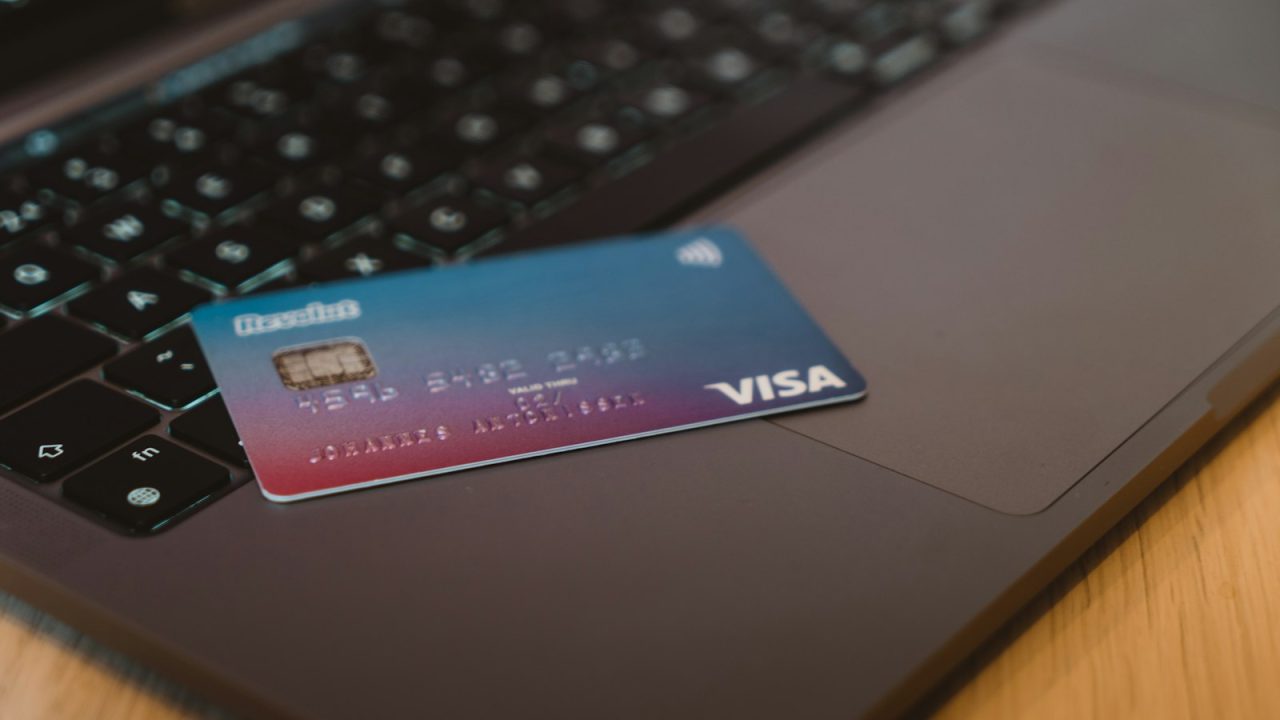

ACH (Automated Clearing House) transfers and credit card payments are the two dominant ways US businesses collect money electronically, and they price very differently. ACH moves funds bank-to-bank through the Nacha network for a small flat fee, usually 0.5% to 1% capped at a dollar or two per transaction. Credit cards route through Visa, Mastercard, Discover, and American Express and carry percentage-based costs that commonly land between 2.3% and 3.5% of each sale once interchange, assessments, and processor margin are added.
For a Katy or Houston business deciding how to bill customers, the gap is real money. On a $2,000 invoice, ACH might cost $1 while a credit card can cost $50 to $65. ProTech Payments, based at 25140 Kingsland Blvd STE 180 in Katy, Texas, sets up both rails for merchants across Fort Bend County and the greater Houston area, and the right mix depends on ticket size, customer type, and how fast you need the cash.
This guide breaks down what each method actually costs, how the money flow works, where ACH wins, where cards win, and how Texas businesses can cut card fees without dropping the convenience their customers expect.
What ACH and credit card payments are
ACH and credit cards solve the same problem (collecting payment electronically) through completely separate networks with different rules and economics.
ACH explained
ACH is the electronic system that moves money directly between US bank accounts. It handles payroll direct deposit, Social Security payments, recurring bills, and business-to-business invoices. An ACH debit pulls funds from a customer’s checking account using their routing and account number. There is no card, no card network, and no interchange. The Nacha operating rules govern the network, and the Federal Reserve and The Clearing House act as the operators that settle the batches. Our ACH and eCheck processing service runs on this rail, and the full mechanics are covered in our ACH payment processing guide.
Credit card payments explained
A credit card payment runs through a card network. When a customer taps, dips an EMV chip, or keys a card number, the transaction passes through the merchant’s processor, the card network (Visa or Mastercard), and the cardholder’s issuing bank. The issuer extends short-term credit, the network sets interchange, and the merchant pays a percentage on every sale. ProTech Payments configures card acceptance through in-store payments terminals, online payments checkouts, and mobile payments for businesses on the move. The end-to-end flow is detailed in our explainer on how credit card payments work.
How each payment rail moves money
The cost difference starts with the number of parties that take a cut.
The ACH flow
An ACH debit has few hands in the chain. The originating bank (yours, through your processor) submits a batch file. The receiving bank (the customer’s) accepts the debit. The Fed or The Clearing House settles between them. Because no card network and no issuing bank credit line are involved, the fee structure is a small flat charge rather than a percentage. The tradeoff is speed: standard ACH settles in one to three business days, and same-day ACH (now supporting up to $1 million per entry) costs a bit more but still far less than card processing.
The credit card flow
A card sale touches more parties, and each adds cost. Interchange goes to the issuing bank and makes up the largest share, often 1.5% to 2.5%. Assessments go to Visa and Mastercard, roughly 0.13% to 0.15%. The processor (the company behind your account, frequently built on First Data, now Fiserv) adds its margin. EMV chip and contactless reduce fraud and chargeback exposure but do not lower the base interchange. The result is a percentage cost that scales with ticket size, which is why a $5,000 sale on a card hurts far more than the same sale over ACH.
The real cost comparison
Numbers make the gap concrete. The table below shows typical all-in costs across common ticket sizes, using a representative ACH fee of 0.8% capped at $5 and a blended card rate of 2.9% plus $0.30.
| Transaction amount | ACH cost (0.8%, $5 cap) | Credit card cost (2.9% + $0.30) | Savings with ACH |
|---|---|---|---|
| $50 | $0.40 | $1.75 | $1.35 |
| $250 | $2.00 | $7.55 | $5.55 |
| $1,000 | $5.00 | $29.30 | $24.30 |
| $5,000 | $5.00 | $145.30 | $140.30 |
| $25,000 | $5.00 | $725.30 | $720.30 |
The pattern is clear: ACH cost is roughly flat, while card cost rises with the sale amount. On small tickets the difference is minor, but on large invoices and recurring B2B billing the savings compound fast. A wholesaler running $200,000 a month in invoices could pay around $5,800 in card fees versus a few hundred dollars over ACH. To model your own numbers against your current statement, use our credit card processing fee calculator.
Where the percentages come from
Card pricing is not one number. Interchange varies by card type, with rewards and corporate cards costing more than basic debit. Regulated debit interchange is capped under the Durbin Amendment at $0.21 plus 0.05% for banks over $10 billion in assets, which is why debit-heavy businesses see lower blended rates. The most transparent way to buy card processing is interchange-plus pricing, where you pay true interchange plus a fixed markup instead of a bundled flat rate that hides the margin.
When ACH costs less, and when cards win
Cheaper is not always better. The right rail depends on the transaction.
ACH wins on
- Large invoices and B2B payments where a percentage fee would run into the hundreds.
- Recurring billing such as memberships, subscriptions, retainers, and installment plans, where the flat fee multiplied across months stays tiny. Our recurring billing guide covers setup.
- Predictable, established customer relationships where you already have bank details and trust.
- Rent, tuition, dues, and other high-value, low-frequency collections.
Credit cards win on
- Point-of-sale retail and restaurant checkout where customers expect to tap or dip in seconds. ACH is too slow for a counter line.
- New or one-time customers who will not hand over bank account numbers.
- Smaller tickets where the percentage cost is a few cents to a couple of dollars.
- Sales that benefit from instant authorization and guaranteed funds at the moment of purchase.
For most Houston-area businesses the answer is both: cards at the counter and online, ACH for invoices and recurring plans. ProTech Payments sets up that combination under one merchant services account.
Cutting card costs without dropping cards
You can keep accepting cards and still shrink the fee. Two Texas-legal programs shift some or all of the card cost off your margin.
Dual pricing and cash discount
Dual pricing shows two prices at checkout: a lower cash price and a card price that builds in the processing cost. Customers who pay by card cover the fee, and customers who pay cash or by ACH get the lower price. A cash discount program works on the same principle, posting the card price and discounting for cash. Both are legal in Texas when disclosed correctly, and they can eliminate most or all of your effective card processing cost. See our breakdown of dual pricing legality in Texas and run the math with the dual pricing savings calculator.
Surcharging within the rules
Surcharging adds a fee specifically to credit card transactions (not debit). Visa caps surcharges, and you must register and post signage. Texas allows credit card surcharges within the card network rules. Our overview of Texas credit card surcharge laws explains the disclosure and registration steps so you stay compliant.
Choosing by business type
The optimal mix shifts by vertical.
Retail and restaurants
These are card-first. Speed at the register matters more than the fee, and customers rarely pay an in-person bill by ACH. A modern point-of-sale system, often on Clover hardware, handles EMV and contactless and pairs well with dual pricing to offset cost. ProTech Payments supports retail and restaurant merchants across the area.
B2B, wholesale, and professional services
These are ACH-first. Invoices are larger, customers are repeat, and bank details are already on file. A B2B and wholesale account paired with ACH cuts the fee on every large invoice. Professional services firms billing retainers or project fees gain the most from moving recurring charges to ACH while keeping a card option for new clients.
Home services and auto repair
These are mixed. Field techs collect on mobile devices at the job, often by card, while larger commercial jobs and recurring maintenance contracts move to ACH. We serve home services and auto repair businesses with both rails in one account.
Common mistakes businesses make
The wrong setup quietly costs thousands a year.
Putting large invoices on cards by default
Running a $10,000 B2B invoice on a card by reflex hands the processor $290 or more that ACH would have charged $5. Default large and recurring charges to ACH and reserve cards for cases that need them.
Accepting a flat-rate plan without comparison
Flat-rate pricing (a single percentage like 2.9% plus $0.30) is simple but often more expensive than interchange-plus for higher-volume or debit-heavy merchants. Our piece on choosing a payment processor walks through how to compare offers. A free statement analysis shows exactly what you are paying now.
Ignoring PCI and chargeback exposure on cards
Cards carry chargeback risk and PCI DSS obligations that ACH largely avoids. Underwriting for these costs is real. Keep PCI compliance current and manage disputes through chargeback management so the savings you chase are not eaten by penalties and reversals.
Treating ACH as risk-free
ACH has its own risk: returns for insufficient funds or unauthorized debits, which arrive days later. Verify accounts and watch return rates, since Nacha enforces thresholds on unauthorized returns.
The Texas angle
Texas businesses have a specific advantage: the state permits both surcharging and cash discount or dual pricing when disclosed properly, so card cost is highly controllable here. A Katy retailer can run dual pricing on Clover hardware, a Sugar Land wholesaler can route invoices over ACH, and a Houston restaurant can post a cash discount, all within state and card network rules.
Local presence matters when something breaks at 6 PM on a Friday. ProTech Payments serves merchants in Katy, Houston, Sugar Land, Cypress, Richmond, and Pearland, with face-to-face setup and support rather than a call center three time zones away.
Frequently asked questions
Is ACH always cheaper than a credit card?
On a per-transaction basis ACH is almost always cheaper, especially above $100, because its fee is flat or capped while card cost is a percentage. The exception is very small tickets where both costs are tiny and the convenience of cards outweighs the few cents of difference. For large and recurring payments ACH is dramatically cheaper.
How long does ACH take compared to a card?
Standard ACH settles in one to three business days, and same-day ACH can clear the same day for a higher fee. Card authorizations are instant, with funds typically deposited the next business day. If you need guaranteed funds at the moment of sale, cards win on speed.
Can I offer both ACH and credit card payments?
Yes, and most businesses should. ProTech Payments sets up card acceptance and ACH under one merchant account, so you can take cards at the counter and online while routing large invoices and recurring billing to ACH. This mix usually produces the lowest blended cost.
Does ACH have chargebacks like credit cards?
ACH has returns and disputes, but they work differently from card chargebacks. A customer can dispute an unauthorized ACH debit, generally within 60 days for consumer accounts, and the bank reverses it. ACH return rates are governed by Nacha, and unlike cards there is no interchange or chargeback fee structure layered on top.
What is the cheapest way to accept large B2B payments?
ACH is the cheapest rail for large business-to-business payments, since a flat or capped fee beats a percentage on a four or five figure invoice. Pairing ACH with interchange-plus pricing on the card side, plus dual pricing for card payers, gives B2B sellers the lowest overall cost.
Are credit card surcharges and dual pricing legal in Texas?
Yes, both are legal in Texas when disclosed according to state law and card network rules. Surcharges apply only to credit (not debit) and require registration and signage, while dual pricing and cash discount post a card price with a lower cash price. ProTech Payments handles the compliant setup so you do not risk penalties.
Talk to ProTech Payments
The cheapest setup is rarely one rail or the other. It is the right mix of ACH for large and recurring payments, cards for speed and new customers, and a dual pricing or cash discount program to offset what cards do cost.
Start with a free statement analysis and we will show you exactly what you pay today and what you would save with the right ACH-and-card mix. When you are ready to set it up, get started with ProTech Payments and we will configure both rails for your Katy or Houston business under one account.