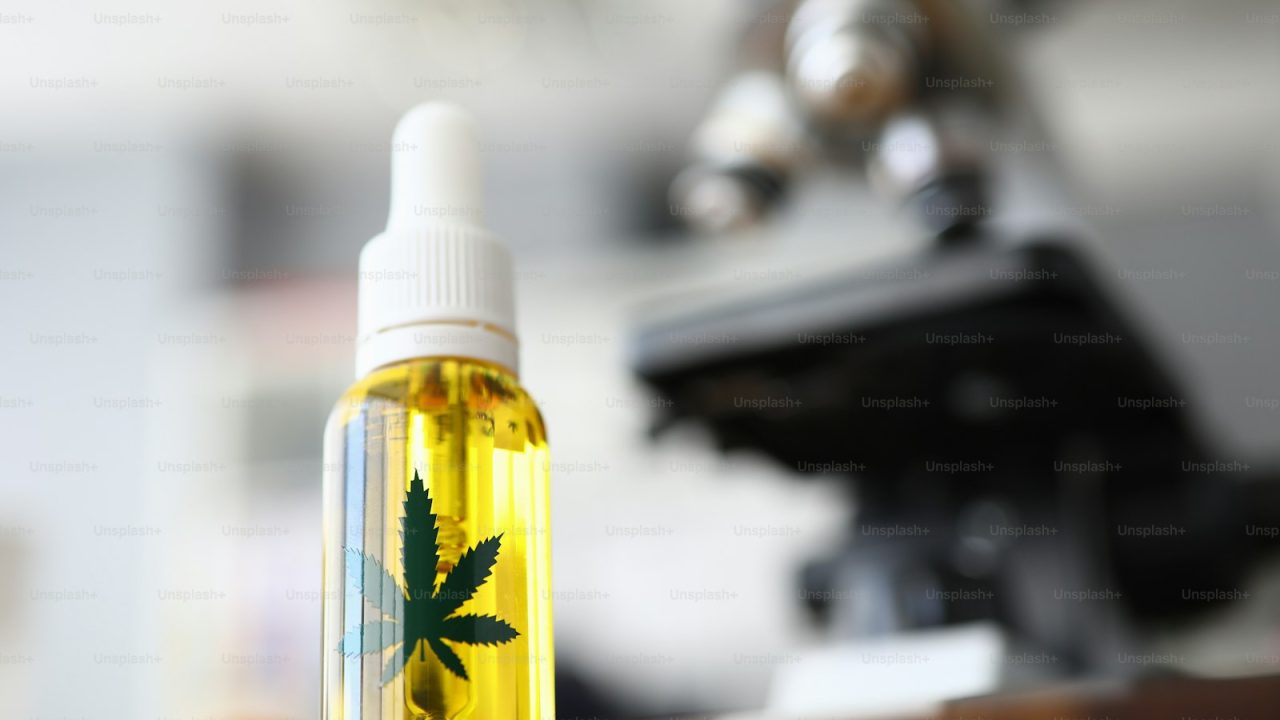

A CBD merchant account is a payment processing account that lets a business legally accept Visa, Mastercard, and other card payments for hemp-derived cannabidiol products. CBD sits in the high-risk category because most banks treat it like a regulatory gray zone, even though hemp with under 0.3% THC has been federally legal since the 2018 Farm Bill. Standard processors like Square, Stripe, and PayPal routinely freeze CBD funds or close accounts without warning, which is why CBD sellers need a specialized account underwritten by a bank that understands the vertical.
ProTech Payments, based in Katy, Texas, places CBD merchant accounts for retailers, e-commerce sellers, and wholesalers across Houston, Fort Bend County, and the rest of Texas. The cost difference is real: a CBD account typically runs 3.5% to 5% effective versus the 2.6% to 2.9% a low-risk retailer pays, but a stable account that never freezes your settlement is worth far more than a cheap one that shuts down mid-season. Approval usually takes 3 to 10 business days when your paperwork is clean.
This guide covers what a CBD merchant account actually is, how underwriting works, the documents you need, realistic pricing, and the mistakes that get applications denied. If you sell hemp products in Texas, the goal is one approved account that keeps your money flowing and your chargebacks under control.
What is a CBD merchant account
A CBD merchant account is a contract between your business, an acquiring bank, and a payment processor that authorizes you to accept card payments for cannabidiol products. The account routes transactions through the Visa and Mastercard networks, settles funds to your business bank account, and assigns you a merchant category code (MCC) that flags the business as hemp or nutraceutical.
The key difference from a normal account is the acquiring bank behind it. Low-risk processors run on bank sponsors that prohibit CBD outright. A CBD account uses a domestic or offshore acquirer that has explicitly approved hemp products in its risk appetite, which is why it survives where a generic account gets shut down.
High-risk vs aggregator accounts
There are two ways CBD sellers try to accept cards. The first is an aggregator like Square or Stripe, where you share a master merchant account with thousands of other businesses. Aggregators are fast to sign up but scan for prohibited products and terminate CBD merchants once they detect them, often holding 90 to 180 days of reserves.
The second is a dedicated high-risk merchant account with your own MID (merchant identification number), underwritten specifically for CBD. This is the only durable option, and it is the foundation of any real CBD payment setup. ProTech places these through banks that keep hemp inside their compliance program rather than treating it as a violation. Our high-risk merchant accounts service handles the placement and underwriting.
Why CBD is classified as high-risk
CBD is high-risk for reasons that have little to do with the product working and everything to do with how card networks and banks measure exposure. Three factors drive the classification.
Regulatory ambiguity
The 2018 Farm Bill legalized hemp-derived CBD under 0.3% THC at the federal level, but the FDA still has not approved CBD as a food additive or dietary supplement (with the single exception of Epidiolex). That gap means banks see ongoing regulatory risk, so they price and underwrite accordingly even when your products are fully compliant.
Chargeback exposure
CBD products attract higher dispute rates because of subscription billing, ingestible health claims, and buyers who forget recurring charges. Card networks penalize merchants whose chargeback ratio exceeds 0.9% of transactions or 100 disputes per month under the Visa Dispute Monitoring Program. CBD merchants cross that line more often than retail, which is why a chargeback management program matters from day one. Our chargeback prevention playbook breaks down the tactics that keep your ratio under threshold.
Reputational and processing history
Many CBD applicants arrive after a prior account was terminated, sometimes landing them on the MATCH list (the terminated merchant file Mastercard maintains). A clean processing history speeds approval. A prior termination does not automatically disqualify you, but it changes how the underwriter prices the account.
How CBD underwriting works
Underwriting is the review an acquiring bank runs before issuing your MID. For CBD, the underwriter is checking three things: that your products are legal hemp, that your business is financially stable, and that your chargeback risk is manageable.
The product review
The bank verifies your products contain under 0.3% THC by reviewing certificates of analysis (COAs) from a third-party lab. Every SKU you sell should have a current COA showing THC content and confirming no controlled substances. Products marketed with disease-cure claims get rejected, so your website copy is part of underwriting too.
The financial review
The underwriter looks at processing volume, average ticket, and your business bank statements. A merchant projecting $50,000 a month with three months of clean statements is easier to approve than a brand-new LLC with no history. Reserves are common: the bank may hold 5% to 10% of volume in a rolling reserve for the first 6 months to cover potential chargebacks.
Tiered approval and reserves
Most CBD accounts approve with conditions. The table below shows how underwriters typically tier CBD applicants.
| Applicant profile | Approval odds | Typical reserve | Effective rate |
|---|---|---|---|
| Established seller, clean COAs, 6+ months statements | High | 0% to 5% rolling | 3.5% to 4.0% |
| New LLC, complete COAs, personal credit 650+ | Medium-high | 5% to 10% rolling | 4.0% to 4.5% |
| Prior termination, not on MATCH | Medium | 10% rolling | 4.5% to 5.0% |
| On MATCH list, weak documentation | Low | 10%+ or upfront | 5%+ or denial |
Documents you need to get approved
A complete application package is the single biggest factor in getting approved fast. Underwriters reject incomplete files rather than chase you for missing pieces, so assemble everything before you apply.
Business and identity documents
- Government-issued ID for all owners with 25% or more equity
- EIN confirmation letter and business formation documents (Texas Certificate of Formation for an LLC)
- Voided check or bank letter for the settlement account
- Three months of business bank statements
- Three to six months of prior processing statements if you have processing history
CBD-specific documents
- Current certificates of analysis (COAs) for every product you sell
- Supplier or manufacturer agreements showing your product source
- A live website with full ingredient lists, lab results posted, and a refund policy
- Product label images confirming under 0.3% THC and proper FDA disclaimer language
Your website is reviewed as part of the file. It needs clear pricing, contact information, terms of service, and zero medical claims like “cures anxiety” or “treats pain.” Compliant copy says “may support” rather than “cures.”
What a CBD merchant account costs
CBD pricing is higher than standard retail because the acquiring bank is taking on more risk and charging for it. The structure usually combines a per-transaction markup, monthly fees, and sometimes a reserve. Understanding interchange helps you read the quote: the networks set base interchange, and your processor adds a markup on top. Our interchange plus pricing explained guide covers how to read that markup, and a free statement analysis shows what you are paying now.
Typical fee components
| Fee | Standard retail | CBD high-risk |
|---|---|---|
| Effective processing rate | 2.6% to 2.9% | 3.5% to 5.0% |
| Monthly account fee | $10 to $25 | $25 to $50 |
| Gateway / virtual terminal | $10 to $20 | $20 to $40 |
| PCI compliance fee | $5 to $15/mo | $5 to $20/mo |
| Rolling reserve | None | 0% to 10% of volume |
| Chargeback fee | $15 to $25 | $25 to $40 |
Ways to offset the cost
Texas law lets merchants pass card costs to customers through compliant surcharging and cash discounting. A dual pricing or cash discount program can recover most of your processing cost at the register or checkout, which materially lowers the effective rate of a high-risk account. For Texas-specific rules, see our guide on cash discount program in Texas.
Approval by business type
CBD sells through different channels, and the right account setup depends on how you take payments.
Online and e-commerce CBD
E-commerce CBD needs a high-risk MID paired with a gateway that supports the CBD MCC. Your store connects through a hosted checkout or API integration. ProTech provisions a payment gateway and online payments setup that works with the major CBD-friendly gateways and supports recurring billing for subscription products.
Retail CBD storefronts
Brick-and-mortar CBD shops in Houston and Katy need a countertop terminal or point-of-sale system coded for hemp. An EMV chip terminal lowers fraud liability, and integrating inventory at the in-store payments level keeps your COA records and SKU compliance organized.
Wholesale and B2B CBD
CBD wholesalers selling to retailers often run larger tickets and net terms, which fits ACH and eCheck processing better than cards because ACH costs cents per transaction instead of a percentage. Many B2B CBD operations run a hybrid: ACH for wholesale invoices and cards for the storefront.
Mistakes that get CBD applications denied
Most CBD denials come from avoidable errors, not from the product being unapprovable. Watch for these.
Applying as a low-risk merchant
The fastest way to lose your account is to sign up with Square or Stripe and not disclose CBD. The processor finds it during a routine scan, freezes your balance, and may report you to MATCH. Never hide the product. Apply as CBD from the start through a high-risk underwriter.
Missing or expired COAs
A COA older than 12 months or missing for any SKU stalls the file. Keep lab results current and post them on your site.
Medical claims on your website
Language like “cures,” “treats,” or “prevents” disease triggers both FDA risk and underwriting rejection. Audit every product page before you apply.
No chargeback strategy
Going live without dispute tooling pushes your ratio over 0.9% fast. Set up PCI compliance and chargeback alerts before your first sale. Read our what is a chargeback primer if disputes are new to you.
Getting approved in Texas
Texas is one of the friendlier states for hemp commerce. The Texas Department of State Health Services regulates consumable hemp products and requires a Consumable Hemp Product license for manufacturers and distributors, while retailers register their locations. Having that registration in hand strengthens your merchant application because it proves state-level compliance to the underwriter.
ProTech works with CBD businesses across the Houston metro, including merchant services in Katy, TX, Houston, and Sugar Land. Local presence matters when you need a terminal swapped or a reserve released, because you are dealing with a Katy-based team rather than an offshore support queue. Our broader merchant services practice handles the full setup from underwriting to terminal deployment.
Texas merchants also benefit from clear surcharge rules. Pairing a CBD account with a Texas surcharge calculator lets you model exactly how much of your processing cost you can legally pass to customers, which is often the difference between a 4.5% effective rate and an effective rate near zero.
Frequently asked questions
Is CBD legal to sell with a merchant account?
Yes, hemp-derived CBD with under 0.3% THC has been federally legal since the 2018 Farm Bill, and Texas permits consumable hemp products under state regulation. You need a high-risk merchant account because most banks restrict CBD, not because the product is illegal. The account must be underwritten by an acquirer that explicitly approves hemp.
How long does CBD merchant account approval take?
With a complete application, approval typically takes 3 to 10 business days. Missing COAs, incomplete bank statements, or non-compliant website copy are the main causes of delay. Submitting everything at once is the fastest path to a live MID.
Can I use Square or Stripe for CBD?
No, both prohibit CBD in their terms of service and routinely freeze or terminate CBD accounts, sometimes holding funds for 90 to 180 days. Using them risks landing your business on the MATCH list, which makes future approvals harder. A dedicated high-risk account is the only stable option.
What is a rolling reserve and will I have one?
A rolling reserve is a percentage of your sales (commonly 5% to 10%) that the bank holds for about 6 months to cover potential chargebacks, then releases on a rolling basis. New CBD merchants usually have one, while established sellers with clean processing history may get approved with no reserve. The reserve is your money and is returned as the holding period passes.
How much does CBD processing cost compared to regular processing?
CBD accounts run roughly 3.5% to 5% effective versus 2.6% to 2.9% for low-risk retail, plus higher monthly and chargeback fees. You can recover most of that gap with a compliant dual pricing or cash discount program. A free statement analysis shows your exact current cost so you can compare.
Do I need a Texas hemp license to get approved?
For retail sales you generally register your location with the state, while manufacturers and distributors need a Consumable Hemp Product license from the Texas Department of State Health Services. Holding the appropriate registration strengthens your application by proving compliance to the underwriter. ProTech can advise on what your specific business model requires.
Talk to ProTech Payments
CBD payments do not have to mean frozen funds and surprise terminations. The right account is underwritten for hemp from day one, priced honestly, and backed by a local Texas team. Start with a free statement analysis so you know exactly what you are paying now and where a CBD-specific account saves you money. When you are ready to move, get started with ProTech Payments and we will assemble your application, place it with a CBD-friendly acquirer, and get your MID live.