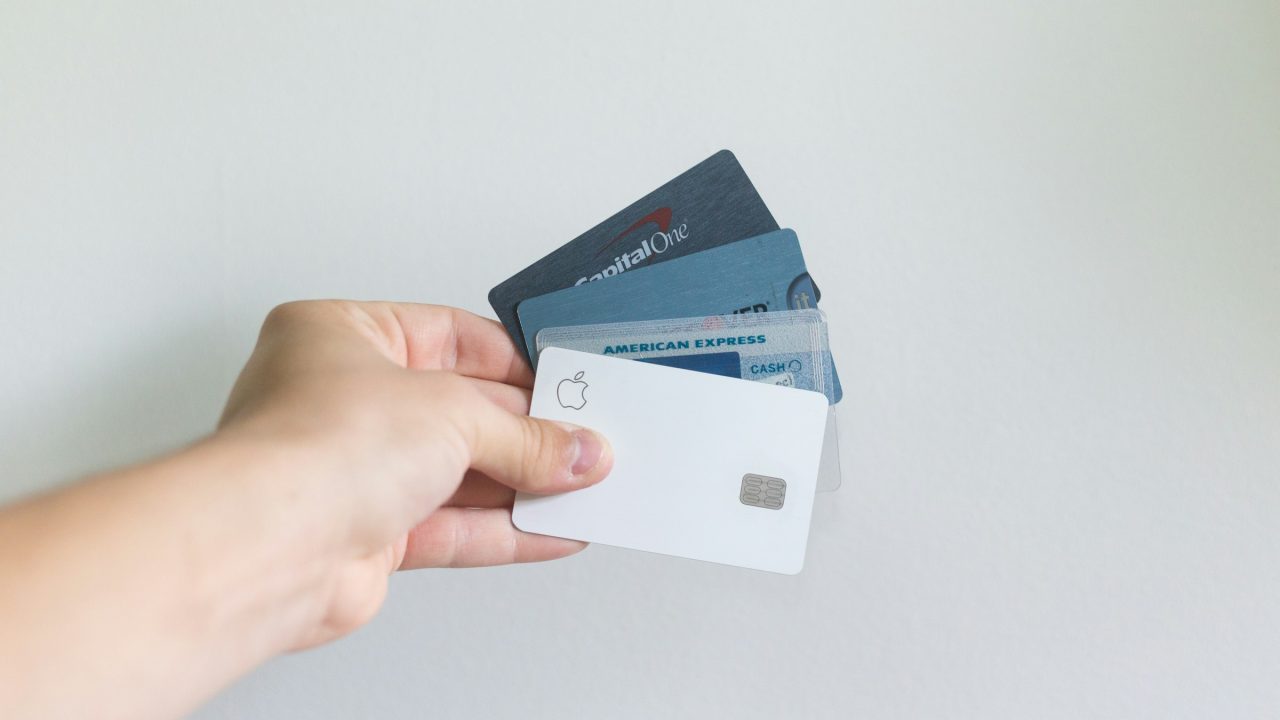

Every US merchant accepting credit cards will face chargebacks. Knowing the exact reason code, the time window, the win rate, and the documentation you need is the difference between recovering revenue and losing it. This guide is the complete reference for chargeback reason codes across all four major US card networks, including the lifecycle of a chargeback, defense strategies, prevention tactics, and a representment playbook you can use the day a dispute notification hits your inbox.
Chargeback fundamentals: what every US merchant needs to know
What a chargeback actually is
A chargeback is a formal reversal of a credit card transaction, initiated by the cardholder’s issuing bank, that returns funds from the merchant’s account back to the cardholder. Chargebacks are governed by card network rules (Visa, Mastercard, American Express, Discover), not by federal law. The Fair Credit Billing Act (FCBA) gives consumers the right to dispute credit card charges with their bank, but the actual chargeback process is operated by card networks.
For merchants, a chargeback is an adversarial process. The merchant loses revenue, pays a chargeback fee ($15 to $50 typical), and risks loss of merchant account if chargeback ratios exceed thresholds (1% of transactions for most networks). A chargeback is not the same as a refund. A refund is a voluntary action initiated by the merchant. A chargeback is involuntary, forced through the banking system, and carries reputational consequences inside the card network monitoring systems.
For a Katy TX small business owner, the practical takeaway is this. Every chargeback is a triple loss (the sale value, the fee, and a counter toward thresholds that can shut down processing). Understanding the mechanics is the first defense.
The chargeback lifecycle in 2026
Stage 1: Customer disputes a charge with their issuing bank.
– Customer calls or emails their bank’s customer service.
– Bank reviews initial complaint (24 to 48 hours).
– If valid, bank credits cardholder provisionally.
– Bank initiates chargeback to acquirer.
Stage 2: Issuing bank submits chargeback.
– Reason code assigned (specific category).
– Documentation requested if applicable.
– Funds deducted from acquirer’s settlement to merchant.
Stage 3: Merchant notification.
– Acquirer forwards chargeback to merchant (typically 1 to 2 business days).
– Merchant has 7 to 30 days to respond (varies by network and reason code).
Stage 4: Merchant decision.
– Accept chargeback: pay back the disputed amount plus chargeback fee.
– Dispute (representment): submit evidence showing the transaction was valid.
Stage 5: Representment review.
– Acquirer reviews evidence.
– Issuing bank reviews evidence.
– 30 to 60 days for resolution.
– Outcome: merchant wins or loses.
Stage 6: Arbitration (rare).
– If still disputed after representment, second-tier arbitration begins.
– Card network decides.
– Final outcome, no further appeal.
Typical chargeback timelines
| Stage | Visa | Mastercard | American Express | Discover |
|---|---|---|---|---|
| Issuing bank deadline | 120 days | 120 days | 180 days | 120 days |
| Acquirer notification | 1-2 days | 1-2 days | 2-5 days | 1-2 days |
| Merchant response window | 30 days | 30 days | 20 days | 30 days |
| Representment review | 30-45 days | 30-45 days | 30 days | 30-45 days |
| Arbitration (if requested) | 30-60 days | 30-60 days | 30 days | 30-60 days |
The 120-day clock matters more than most merchants realize. A customer who used your service in January can still chargeback in May. This is why retention of receipts, signed authorizations, and delivery proofs needs to extend well beyond the transaction date (18 months is the practical minimum).
Chargeback fees and costs
Per-chargeback fees (paid to acquirer)
- ProTech Payments: $15 per chargeback (transparent, disclosed up front).
- Square: $0 per chargeback (absorbed into pricing, but flat-rate fees are higher).
- Stripe: $15 per chargeback.
- Traditional processors: $25 to $50 per chargeback.
Per-chargeback fees (paid to card network)
- Visa: $25 typical.
- Mastercard: $25 typical.
- American Express: $25 typical.
- Discover: $25 typical.
Retrieval request fees
- $5 to $25 per request (varies by processor). A retrieval request is a pre-chargeback step where the issuer asks for transaction documentation. Responding fast often prevents the full chargeback.
Total cost of a chargeback
- Lost revenue: full transaction amount.
- Chargeback fee (acquirer): $15 to $50.
- Network fee: $25.
- Time and resources to respond: significant (1 to 3 hours per case typical).
- Total per chargeback: typically $50 to $200 in direct costs, plus the lost transaction value.
For a Katy restaurant with a $75 average ticket, a single chargeback can wipe out the margin on 8 to 10 covers. For a B2B service business with a $2,500 ticket, a chargeback wipes out a full client engagement.
Chargeback ratios and merchant standing
Visa chargeback monitoring program (VCMP / VAMP)
- Standard merchants: chargeback ratio below 0.65% (excessive chargebacks).
- Standard merchants: dispute ratio below 1.0% (excessive disputes).
- “Excessive Chargeback Program” (ECP): merchants exceeding thresholds enter monitoring.
- Penalties: $1,500 to $15,000+ in fines, potential loss of Visa acceptance.
Mastercard chargeback monitoring program (CDM)
- Similar thresholds (1% of transactions).
- Excessive Chargeback Merchant (ECM): merchants exceeding thresholds.
- Penalties: similar to Visa.
Why this matters
If your business consistently exceeds chargeback ratios, you risk:
– Reserve hold (acquirer holds 5% to 25% of revenue).
– Increased processing fees.
– Loss of merchant account.
– Difficulty obtaining new processing relationships (MATCH list placement is the industry blacklist, and it lasts 5 years).
– High-risk classification (3x to 5x higher rates).
The ratio is calculated monthly, on a rolling basis. A small merchant doing 100 transactions a month only needs 1 chargeback to hit 1%. Volume matters. Low-volume merchants are inherently more exposed to ratio penalties than high-volume merchants.
Average chargeback rates by industry
| Industry | Average chargeback rate | Risk level |
|---|---|---|
| Restaurants | 0.15-0.25% | Low |
| Retail (general) | 0.15-0.30% | Low |
| Specialty retail | 0.20-0.40% | Low to medium |
| E-commerce (DTC) | 0.30-0.60% | Medium |
| Subscription / SaaS | 0.30-0.50% | Medium |
| Travel / hospitality | 0.40-0.80% | Medium to high |
| Digital goods | 0.50-1.00% | High |
| High-risk (CBD, supplements, etc.) | 1.00-2.50% | Very high |
| Online dating | 1.50-3.00% | Very high |
| Online gambling | 2.00-4.00% | Very high |
If your industry baseline is 0.20% and you are running at 0.80%, you are not just unlucky. You have a process problem (billing descriptors, delivery confirmation, refund policy, or fraud screening) that needs to be addressed before the acquirer flags you.
Common chargeback categories
Chargebacks fall into four broad categories, each with specific reason codes.
Category 1: Fraud
Customer claims they didn’t authorize the transaction. Common reason codes: 10.1 (Visa), 4837 (Mastercard). This category is rising fastest, driven by card-not-present transactions and “friendly fraud” (where the cardholder did authorize but later denies it).
Category 2: Customer dispute
Customer received the product or service but disputes quality, delivery, or service. Common reason codes: 13.1 through 13.9 (Visa), 4853 (Mastercard). This is the most defensible category if you have clear documentation.
Category 3: Authorization issues
Technical issue: card declined, voided, but transaction processed. Common reason codes: 10.4, 12.x (Visa), 4807 through 4812 (Mastercard). Often a processor or terminal error, not a customer dispute.
Category 4: Processing errors
Wrong amount, wrong merchant, duplicate billing. Common reason codes: 13.6, 13.7 (Visa), 4842, 4859 (Mastercard). Usually merchant or processor mistakes. Hard to defend if the error is real.
Why merchants lose chargebacks
Reason 1: Insufficient evidence
The merchant accepts the chargeback rather than dispute it, even though they have a valid case. Often because they don’t realize they can fight, or don’t know how.
Reason 2: Missing evidence
Receipts, delivery confirmations, customer authorization documentation. Not maintained, not accessible quickly. Paper receipts lost. Email confirmations deleted.
Reason 3: Wrong evidence
Submitting irrelevant evidence (for example, showing the customer ordered, but the dispute is about quality). The evidence needs to match the reason code.
Reason 4: Missed deadline
Failing to respond within the 7 to 30 day window means automatic loss. No appeal.
Reason 5: No representment
Many small merchants don’t dispute chargebacks at all, especially for small amounts ($25 to $100). The cumulative impact is significant: a 20% win rate on $50 chargebacks adds up over a year.
When to fight chargebacks
Should always fight
- Chargeback for valid card-present transaction with signature.
- Customer received goods or services and signed receipt.
- Documentation of authorization (signed contract, agreement).
- Recurring billing with valid customer consent.
Generally should fight
- Card-not-present transactions with confirmed delivery.
- Authorization codes obtained correctly.
- AVS verified (Address Verification Service match).
- CVV verified.
- Customer has prior charges from your business (legitimate customer pattern).
Maybe should fight (consider economics)
- Transactions under $50.
- Customer has clear complaint about quality.
- Documentation is weak.
- Time to dispute exceeds value.
Generally should accept
- Clear fraud (card stolen, used by unauthorized person).
- Product was actually defective.
- Customer was wrongfully charged.
- Cumulative damage of fighting outweighs value.
A useful rule: track win rate by reason code. If you win 70% of “13.1 services not provided” disputes but only 15% of “10.4 fraud” disputes, allocate your time to the winnable categories and accept the unwinnable ones faster.
What this guide covers
This guide is the complete reference for chargeback reason codes across Visa, Mastercard, American Express, and Discover. It covers:
– Fundamentals (this section).
– Visa reason codes (next section).
– Mastercard reason codes.
– American Express and Discover codes.
– Defense and representment strategies.
– Prevention tactics.
– FAQs.
If you are a Katy TX or Houston metro merchant getting chargebacks and you need to know what is happening or how to fight back, this guide is built for you. ProTech Payments works with local SMBs every week on chargeback response, evidence packaging, and prevention setup. If your ratios are creeping up, the time to act is now, not after the acquirer puts you on monitoring.
Cita: Visa Chargeback Management Guidelines, Mastercard Chargeback Dispute Resolution Manual, American Express Merchant Operating Regulations, Discover Network Operating Regulations, Fair Credit Billing Act (15 USC 1666), Visa Acquirer Monitoring Program (VAMP) requirements.
Visa chargeback reason codes 2026: complete reference
If you accept Visa, the first thing your acquirer tells you about a chargeback is a reason code. That code dictates how much time you have, what evidence will win, and how likely you are to recover the funds. Reading it wrong is the most common reason merchants lose money they should have kept.
This reference covers every Visa reason code in use in 2026: what it means, why it happens, what defense works, the time limit, and the realistic win rate.
Visa’s chargeback code system
Visa restructured its dispute framework in April 2018 with the Visa Claims Resolution (VCR) initiative. The old 22 reason codes were consolidated into 4 categories with shorter time limits and stricter evidence rules, operated through the Visa Resolve Online (VROL) platform.
The 4 categories:
- 10.x Fraud (highest priority for issuers)
- 11.x Authorization (the merchant ignored or never obtained a valid auth)
- 12.x Processing Errors (something went wrong on the merchant or acquirer side)
- 13.x Consumer Disputes (cardholder claims a problem with merchandise, service, or refund)
VCR split disputes into two workflows: Allocation (fraud and authorization, where Visa decides liability based on data) and Collaboration (consumer disputes, where merchants respond with evidence). Knowing which workflow applies tells you whether documentation can win it back or whether you need to address the root cause.
Category 10: Fraud chargebacks (highest priority)
Visa Reason Code 10.1: EMV Liability Shift Counterfeit Fraud
- What it means: Card was counterfeit (cloned from a stolen magstripe) and the merchant did not process via EMV chip.
- Why it occurs: Since the EMV liability shift in October 2015, merchants who skip chip become liable for counterfeit fraud the chip would have caught.
- Merchant defense: Prove the chip was used (cryptogram, AID), or show the card had no functional chip.
- Time limit: 120 days from settlement date.
- Typical win rate: Low (around 50%) if EMV not used. Higher (around 75%) if chip was read.
- Prevention: Process chip cards via chip, never fall back to magstripe unless the chip is unreadable, document fallback transactions.
Visa Reason Code 10.2: EMV Liability Shift Non-Counterfeit Fraud
- What it means: Card was lost or stolen and used by someone other than the cardholder.
- Why it occurs: Cardholder reported the card stolen and disputes the fraudulent transactions before the report.
- Merchant defense: EMV chip authentication plus valid authorization, or PIN entry in card-present settings.
- Time limit: 120 days.
- Typical win rate: Low (around 40%) without strong authentication.
- Prevention: Process chip cards via chip, require PIN where supported, verify AVS and CVV2 for CNP.
Visa Reason Code 10.3: Other Fraud Card Present Environment
- What it means: Fraudulent card-present transaction where 10.1 and 10.2 do not apply.
- Why it occurs: Skimming, identity theft, or social engineering at the point of sale.
- Merchant defense: Signature on file, EMV authentication data, photo ID logs, surveillance footage.
- Time limit: 120 days.
- Typical win rate: Around 50%.
- Prevention: Capture signatures, verify ID above a defined threshold, train staff to spot tampered cards.
Visa Reason Code 10.4: Other Fraud Card Absent Environment
- What it means: Fraudulent transaction in a card-not-present channel (online, phone, mail order).
- Why it occurs: Stolen card numbers, phishing, account takeover, credential stuffing.
- Merchant defense: 3D Secure 2.0 results, AVS match, CVV2 match, IP geolocation, device fingerprinting, customer correspondence.
- Time limit: 120 days.
- Typical win rate: 30 to 50%, depending on whether 3DS shifted liability.
- Prevention: Enable 3DS 2.0 with frictionless authentication, require AVS and CVV2, deploy fraud screening, block high-risk geolocations.
Visa Reason Code 10.5: Visa Fraud Monitoring Program
- What it means: Merchant flagged by the Visa Fraud Monitoring Program (VFMP).
- Why it occurs: Fraud-to-sales ratio crossed Visa’s thresholds (typically over 0.9% or 75 fraud transactions per month).
- Merchant defense: Very limited. The dispute is not contestable in most cases. Focus on exiting the program by reducing fraud.
- Time limit: Variable.
- Typical win rate: 10 to 20%.
- Prevention: Monitor fraud-to-sales monthly, deploy prevention layers, engage Visa Risk Management early.
Category 11: Authorization chargebacks
Visa Reason Code 11.1: Card Recovery Bulletin
- What it means: Card was on Visa’s Card Recovery Bulletin (a stop list), and the merchant authorized anyway.
- Why it occurs: Merchant processed offline or did not check the recovery bulletin at authorization.
- Merchant defense: Authorization log with a clean approval code, system response data, timestamps.
- Time limit: 120 days.
- Typical win rate: Around 70% if the authorization was clean and issuer-approved at the time.
Visa Reason Code 11.2: Declined Authorization
- What it means: Transaction was declined (decline code returned), but the merchant processed it anyway.
- Why it occurs: Merchant overrode the decline, often unintentionally through manual force-post entry.
- Merchant defense: A subsequent valid authorization code obtained before settlement.
- Time limit: 120 days.
- Typical win rate: Around 80% if a valid auth code exists.
Visa Reason Code 11.3: No Authorization
- What it means: No authorization was obtained.
- Why it occurs: Power failure, telecom outage, skipped auth, or offline transaction never sent for approval.
- Merchant defense: Emergency auth documentation, signed receipt, proof of authorization attempt after recovery.
- Time limit: 120 days.
- Typical win rate: Around 40%.
- Prevention: Always obtain authorization. For offline scenarios, document the attempt and signature.
Category 12: Processing Errors
Visa Reason Code 12.1: Late Presentment
- What it means: Merchant submitted for settlement more than 30 days after the original card-present sale.
- Why it occurs: Delayed batch, system errors, or holding to verify shipment.
- Merchant defense: Original transaction date, signed receipt, explanation of delay.
- Time limit: 120 days.
- Typical win rate: Around 60%.
- Prevention: Settle within 1 to 2 days, automate batch close.
Visa Reason Code 12.2: Incorrect Transaction Code
- What it means: Wrong transaction type assigned (e.g., a refund processed as a purchase, a credit as a debit).
- Why it occurs: System or data-entry error.
- Merchant defense: Documentation of the correct transaction type and corrective entries.
- Time limit: 120 days.
- Typical win rate: Around 70%.
Visa Reason Code 12.3: Incorrect Currency
- What it means: Transaction processed in the wrong currency.
- Why it occurs: International processing error or terminal misconfiguration.
- Merchant defense: Correct currency documentation and customer’s agreement at point of sale (signed receipt, checkout screen).
- Time limit: 120 days.
- Typical win rate: Around 70%.
Visa Reason Code 12.4: Incorrect Account Number
- What it means: Transaction processed against the wrong card number.
- Why it occurs: Manual key entry error.
- Merchant defense: Proof the correct card was used (chip data, signed receipt with last 4 digits).
- Time limit: 120 days.
- Typical win rate: Around 80%.
Visa Reason Code 12.5: Incorrect Amount
- What it means: Amount processed does not match what the customer agreed to.
- Why it occurs: Manual entry error, system glitch, mishandled tip adjustment.
- Merchant defense: Customer-signed receipt with the correct final amount.
- Time limit: 120 days.
- Typical win rate: Around 80%.
Visa Reason Code 12.6: Duplicate Processing
- What it means: Same transaction processed twice.
- Why it occurs: System failure during transmission, terminal retry after a perceived timeout, batch reprocessing.
- Merchant defense: Proof only one transaction was valid (duplicate already voided, or two separate legitimate purchases).
- Time limit: 120 days.
- Typical win rate: Around 80% with clear proof.
Visa Reason Code 12.7: Invalid Data
- What it means: Transaction contained invalid data fields (bad MCC, missing fields, malformed currency code).
- Why it occurs: Processor or gateway error.
- Merchant defense: Corrected transaction data submitted by the acquirer.
- Time limit: 120 days.
- Typical win rate: Around 60%.
Category 13: Consumer Disputes (most common, highest volume)
Visa Reason Code 13.1: Merchandise/Services Not Received
- What it means: Customer claims they did not receive the goods or services.
- Why it occurs: Delivery failure, lost shipment, service not performed, friendly fraud.
- Merchant defense: Tracking with delivery confirmation to the cardholder’s billing address, signature on delivery for high-value items, service completion records, customer correspondence.
- Time limit: 30 to 120 days from expected delivery date.
- Typical win rate: 50 to 70% with strong delivery documentation.
- Prevention: Signature confirmation on shipments above a defined value, ship only to AVS-matched addresses, document service completion with customer sign-off.
Visa Reason Code 13.2: Cancelled Recurring Transaction
- What it means: Customer cancelled a subscription but was billed anyway.
- Why it occurs: Cancellation not processed in time, or billing continued after.
- Merchant defense: Cancellation timing, original subscription authorization, clear terms accepted by the customer.
- Time limit: 120 days.
- Typical win rate: Around 50% with documentation.
- Prevention: Self-service cancellation, confirmation email at the moment of request, stop billing immediately.
Visa Reason Code 13.3: Not as Described / Defective Merchandise
- What it means: Customer received the product but claims it is defective or not as described.
- Why it occurs: Quality issues, mismatched expectations, or friendly fraud.
- Merchant defense: Product specifications, customer correspondence, return policy at checkout, proof the customer did not first attempt to return.
- Time limit: 120 days.
- Typical win rate: 30 to 60% with strong defense.
Visa Reason Code 13.4: Counterfeit Merchandise
- What it means: Customer claims they received counterfeit goods.
- Why it occurs: Counterfeiting in the supply chain (rare for legitimate merchants).
- Merchant defense: Invoices from authorized distributors, supplier verification, authenticity certificates, brand authorization letters.
- Time limit: 120 days.
- Typical win rate: Around 80% with proof of legitimate sourcing.
Visa Reason Code 13.5: Misrepresentation / Quality Issues
- What it means: Product was not as advertised.
- Why it occurs: Marketing or description mismatch.
- Merchant defense: Actual advertising documentation, product page screenshots, customer correspondence.
- Time limit: 120 days.
- Typical win rate: 30 to 50%.
Visa Reason Code 13.6: Credit Not Processed
- What it means: Merchant agreed to a refund or credit but did not process it.
- Why it occurs: Forgot to issue the credit, system delay, or credit posted to the wrong card.
- Merchant defense: Refund processing confirmation showing the credit was issued.
- Time limit: 30 days from refund date.
- Typical win rate: Around 70% if the refund was actually processed.
Visa Reason Code 13.7: Cancelled Merchandise
- What it means: Customer cancelled the order but was charged anyway.
- Why it occurs: Cancellation request not processed before the order shipped.
- Merchant defense: Cancellation policy, customer correspondence, proof the cancellation was received after the cutoff.
- Time limit: 120 days.
- Typical win rate: Around 50% with documentation.
Visa Reason Code 13.8: Original Credit Transaction Not Accepted
- What it means: Merchant processed an Original Credit Transaction (OCT, used for payouts) but it was rejected.
- Why it occurs: Authorization failure post-settlement on a push payment.
- Merchant defense: Original authorization code and OCT acknowledgment from the network.
- Time limit: 120 days.
- Typical win rate: Around 60%.
Visa Reason Code 13.9: Non-Receipt of Cash from ATM
- What it means: Cardholder disputes an ATM cash withdrawal.
- Why it occurs: ATM error, mechanical malfunction, terminal fraud.
- Merchant defense: ATM logs, cash dispense records, surveillance footage.
- Time limit: 120 days.
- Typical win rate: Around 50%.
Visa chargeback summary table
| Reason Code | Category | Typical Win Rate | Time Limit |
|---|---|---|---|
| 10.1 | EMV Counterfeit Fraud | 50 to 75% (if EMV) | 120 days |
| 10.2 | EMV Non-Counterfeit Fraud | 40% | 120 days |
| 10.3 | Card Present Fraud | 50% | 120 days |
| 10.4 | Card Not Present Fraud | 30 to 50% | 120 days |
| 10.5 | Fraud Monitoring Program | 10 to 20% | Variable |
| 11.1 | Card Recovery Bulletin | 70% | 120 days |
| 11.2 | Declined Authorization | 80% | 120 days |
| 11.3 | No Authorization | 40% | 120 days |
| 12.1 | Late Presentment | 60% | 120 days |
| 12.2 | Incorrect Transaction Code | 70% | 120 days |
| 12.3 | Incorrect Currency | 70% | 120 days |
| 12.4 | Incorrect Account Number | 80% | 120 days |
| 12.5 | Incorrect Amount | 80% | 120 days |
| 12.6 | Duplicate Processing | 80% | 120 days |
| 12.7 | Invalid Data | 60% | 120 days |
| 13.1 | Goods Not Received | 50 to 70% | 30 to 120 days |
| 13.2 | Cancelled Recurring | 50% | 120 days |
| 13.3 | Defective Goods | 30 to 60% | 120 days |
| 13.4 | Counterfeit | 80% | 120 days |
| 13.5 | Misrepresentation | 30 to 50% | 120 days |
| 13.6 | Credit Not Processed | 70% | 30 days |
| 13.7 | Cancelled Goods | 50% | 120 days |
| 13.8 | OCT Not Accepted | 60% | 120 days |
| 13.9 | ATM Issue | 50% | 120 days |
Key takeaways for Visa chargebacks
- Most common codes: 13.1 (merchandise not received) and 13.3 (defective merchandise). These account for the bulk of consumer-dispute volume across e-commerce.
- Highest win rates: Category 12 (processing errors), because the defense is documentary. With the receipt, authorization log, and batch detail, you usually win.
- Lowest win rates: 10.5 (Visa Fraud Monitoring Program, essentially a program penalty) and 13.5 (misrepresentation, your word against the customer’s perception).
- Time limit discipline is the silent killer. A 120-day deadline sounds generous, but acquirer notification, internal routing, and evidence collection can eat 30 days before you draft a response. Missing the deadline is an automatic loss.
- Document everything at the moment of sale, not after the dispute. AVS, CVV2, 3DS results, delivery confirmation, signed receipts, refund confirmations, and cancellation timestamps win disputes. Reconstructing them later rarely does.
Cita: Visa Chargeback Management Guidelines, Visa Claims Resolution Process Documentation, Visa Acquirer Monitoring Program, Visa Resolve Online (VROL) manual.
Mastercard chargeback reason codes 2026: complete reference
If you accept Mastercard at your Katy storefront, your Houston restaurant, or your e-commerce store, sooner or later you will see a chargeback with a 48xx or 49xx reason code attached. Those four digits are not random. They map to specific dispute categories, each with its own time limit, evidence requirements, and probability of winning. Treating every Mastercard chargeback the same way is the fastest path to losing them all. This reference walks through the codes you will actually encounter in 2026, what triggers each one, and how to build a defense that holds up.
Mastercard’s chargeback structure
Mastercard uses two main numbering systems running in parallel. The 48xx codes are the older series, in use for decades, still appearing on a large share of disputes. The 49xx codes were introduced after the 2018 dispute reform and cover scenarios the older codes did not address cleanly. Mastercard’s chargeback process is similar to Visa in spirit (cardholder disputes, merchant responds, issuer decides, arbitration if needed), but the time limits and terminology differ. Mastercard tends to give merchants 30 days to respond and cardholders 120 days from the transaction date to file most disputes, though several categories carry shorter windows.
Category 4837: No Cardholder Authorization (most common fraud chargeback)
What it means: the cardholder claims they did not authorize the transaction. This is Mastercard’s headline fraud code.
Why it occurs:
– Stolen card used fraudulently at your terminal or checkout
– Lost card used by an unauthorized person before the cardholder reported it
– Family member made an unauthorized purchase using a shared card
– Account takeover by a third party who obtained card credentials
Merchant defense:
– AVS match (Address Verification Service) on card-not-present transactions
– CVV match captured at checkout
– 3D Secure 2.0 authentication (shifts liability back to the issuer)
– Customer signature on the receipt for in-person transactions
– IP address tracking that ties the order to the cardholder’s known geography
– Device fingerprint matching prior legitimate orders
– Customer history with your merchant account (repeat buyer, same shipping address)
Time limit: 120 days from the transaction date for the cardholder to file.
Typical win rate: 30 to 50 percent with a strong evidence package.
Category 4840: Fraudulent Multiple Transactions
What it means: multiple transactions from the same merchant attributed to fraud, suggesting a systemic problem rather than a single bad actor.
Why it occurs: your merchant account got flagged for a fraud pattern, often because a skimmer compromised the terminal, an employee was running card-testing schemes, or your e-commerce checkout was exploited at scale.
Merchant defense:
– Show legitimate transaction patterns across the flagged batch
– Demonstrate active fraud detection efforts (velocity rules, manual review)
– Address the root cause publicly (terminal replaced, PCI scan completed, employee terminated)
Time limit: 120 days.
Typical win rate: around 20 percent. This is a hard code to win because the pattern itself is the evidence against you.
Prevention: PCI compliance, terminal security audits, regular employee training.
Category 4841: Cancelled Recurring Transaction
What it means: the customer cancelled a subscription or recurring charge and was billed anyway.
Why it occurs: cancellation request not processed in time, customer communication missed, billing system did not sync with the CRM.
Merchant defense:
– Customer cancellation timestamp from your records
– Notification system logs showing what was sent and when
– Recurring billing terms and conditions the customer agreed to
– Customer authorization for the specific billing cycle in question
Time limit: 120 days.
Typical win rate: 50 percent with proper documentation.
Prevention: clear cancellation procedures, automated confirmation emails, dunning logs that prove the customer’s intent.
Category 4842: Late Presentment
What it means: the transaction was deposited into the network more than 30 days after the card was used.
Why it occurs: delayed batching at the terminal, system errors, manual processing delays in a back office.
Merchant defense: documentation of the original transaction date showing the authorization was valid at the time.
Time limit: 60 days.
Typical win rate: 60 percent.
Prevention: process and settle transactions within 7 days. Most modern processors batch automatically, so this code usually appears when a merchant is still running manual batches.
Category 4847: Requested/Required Documentation Not Received
What it means: the merchant did not respond to a documentation request from the issuer during a retrieval or dispute.
Why it occurs: the acquirer did not forward the request, the merchant missed the deadline, or the documentation went to an old email address.
Merchant defense:
– Demonstrate the documentation was provided (forwarded emails, fax confirmations)
– Show the timeline of communication between you and the acquirer
Time limit: 60 days.
Typical win rate: 60 percent if you respond now with the missing documents.
Category 4849: Questionable Merchant Activity
What it means: Mastercard’s monitoring flagged your transaction pattern as suspicious.
Why it occurs:
– High refund volume relative to sales
– High chargeback ratio (above 1 percent of transactions)
– Velocity issues (too many transactions in a short window)
– Suspicious customer patterns flagged by Mastercard’s algorithms
Merchant defense:
– Address the root cause and document the fix
– Show legitimate business activity (invoices, fulfillment records)
– Demonstrate fraud detection tools in active use
Time limit: variable depending on the trigger.
Typical win rate: 15 to 25 percent. This is one of the toughest codes because Mastercard is essentially saying your business is the problem.
Category 4853: Cardholder Dispute (most common consumer dispute)
What it means: the customer disputes the transaction for a quality, service, or billing reason. This is a catch-all category with multiple sub-reasons.
Why it occurs:
– Defective product received
– Service not provided as promised
– Billing error (wrong amount, duplicate charge)
– Quality issue with goods delivered
– Wrong amount charged versus what was agreed
– Cancellation not honored by the merchant
– Service description did not match what was delivered
Merchant defense varies by sub-reason but generally includes:
– Documentation of the agreed terms (signed contract, terms of service, order confirmation)
– Customer correspondence showing the issue was addressed
– Delivery confirmation with signature where applicable
– Service completion records (work orders, sign-offs)
– Refund processing records if a credit was offered
Time limit: 60 to 120 days depending on the sub-reason.
Typical win rate: 30 to 60 percent with a strong defense package.
Category 4854: Cardholder Dispute, Defective Merchandise
What it means: the customer received the product but claims it is defective.
Why it occurs: actual quality issue, customer dissatisfaction, or buyer’s remorse dressed up as a defect claim.
Merchant defense:
– Product specifications and quality assurance documentation
– Your stated return policy that the customer agreed to at checkout
– Customer correspondence showing the dispute was handled
– Repair or replacement offered and refused or accepted
Time limit: 120 days.
Typical win rate: 35 to 50 percent with documentation.
Category 4855: Goods or Services Not Provided
What it means: the customer paid but did not receive the goods or services.
Why it occurs:
– Shipping failure (lost package, never sent)
– Service not performed (no-show, cancelled appointment)
– Order cancelled by the merchant but not refunded
– Refund promised but not processed
Merchant defense:
– Tracking number and delivery confirmation from the carrier
– Service completion documentation (signed work order, photos, GPS check-in)
– Customer correspondence acknowledging receipt
– Order acceptance documentation
Time limit: 120 days.
Typical win rate: 50 to 70 percent with good documentation. This is one of the more winnable codes because shipping data is usually objective.
Category 4859: Service/Goods Not as Described
What it means: the customer received the product or service but claims it does not match what was advertised.
Why it occurs:
– Marketing description mismatch (product page promised more than was delivered)
– Color, size, or quality discrepancy
– Service did not match the description on your booking page
Merchant defense:
– Original advertising and marketing materials as they appeared at the time of purchase
– Customer specifications submitted at checkout
– Product documentation (spec sheets, photos)
Time limit: 120 days.
Typical win rate: 30 to 50 percent.
Category 4860: Credit Not Processed
What it means: the customer was told a refund was coming but it was never processed by the merchant.
Why it occurs: merchant forgot to process the refund, system delay, refund processed to the wrong card.
Merchant defense:
– Refund processing confirmation from your gateway
– Customer correspondence showing the refund timeline
Time limit: 30 days from the date the refund was promised.
Typical win rate: 70 percent if the refund was actually processed and you can prove it.
Category 4863: Cardholder Does Not Recognize, Potential Fraud
What it means: the cardholder does not recognize the transaction. This sits between true fraud and confusion.
Why it occurs:
– Cardholder genuinely forgot about the purchase
– An authorized person (spouse, child) made the purchase
– True fraud
– Confusing merchant descriptor on the statement
Merchant defense:
– Show the merchant descriptor matches what the customer would recognize (your DBA name, phone number, city)
– AVS match on the original transaction
– Customer transaction history with your business
– IP and device fingerprint matching prior orders
Time limit: 120 days.
Typical win rate: 40 to 60 percent with clear descriptors.
Category 4870: Chip Liability Shift
What it means: a counterfeit card was used at an EMV-enabled location but the transaction was processed via magstripe.
Why it occurs:
– Merchant did not upgrade to an EMV chip terminal after the 2015 liability shift
– Chip terminal failed and the transaction fell back to magstripe
– Manual entry was used instead of chip
Merchant defense:
– Documentation that the chip terminal was available and functional
– Reason for not using the chip (terminal malfunction, card chip damaged)
– EMV liability shift compliance records
Time limit: 120 days.
Typical win rate: 30 to 50 percent if EMV was available and used.
Category 4871: Chip/PIN Liability Shift
What it means: a chip-and-PIN card was processed without PIN entry, often in markets where PIN is mandatory.
Why it occurs:
– PIN bypassed at checkout
– Signature accepted in place of PIN
– Voice authorization used
Merchant defense:
– Documentation of the chip transaction
– Reason PIN was not required (US-issued card on a US terminal, for example)
Time limit: 120 days.
Typical win rate: 40 to 50 percent.
Category 4863 sub-categories
Mastercard has expanded sub-codes under 4863:
– 4863A: Cardholder Activity Mismatch (pattern does not fit the cardholder’s usual behavior)
– 4863B: Cardholder Doesn’t Recognize Vendor (descriptor problem)
– 4863C: Merchant Activity (merchant pattern flagged as suspicious)
Each sub-code has slight defense variations, but the core evidence (AVS, CVV, descriptor clarity, customer history) is consistent.
Category 4870 EMV-specific notes
Same code as 4870 above. The EMV liability shift code applies to any counterfeit card transaction where chip should have been used and was not. The shift moved liability from issuers to merchants who failed to upgrade after October 2015.
Category 4880: Late Presentment (alternative code)
Some processors use 4880 for late presentment in place of 4842. Same root cause, same defense, same prevention approach. If you see 4880 on your statement, treat it identically to 4842.
Mastercard chargeback summary table
| Reason Code | Description | Typical Win Rate | Time Limit |
|---|---|---|---|
| 4837 | No Cardholder Authorization | 30-50% | 120 days |
| 4840 | Fraudulent Multiple Transactions | 20% | 120 days |
| 4841 | Cancelled Recurring | 50% | 120 days |
| 4842 | Late Presentment | 60% | 60 days |
| 4847 | Documentation Not Received | 60% | 60 days |
| 4849 | Questionable Activity | 15-25% | variable |
| 4853 | Cardholder Dispute (general) | 30-60% | 60-120 days |
| 4854 | Defective Merchandise | 35-50% | 120 days |
| 4855 | Goods Not Provided | 50-70% | 120 days |
| 4859 | Not as Described | 30-50% | 120 days |
| 4860 | Credit Not Processed | 70% | 30 days |
| 4863 | Does Not Recognize | 40-60% | 120 days |
| 4870 | Chip Liability Shift | 30-50% | 120 days |
| 4871 | Chip/PIN Liability | 40-50% | 120 days |
Visa vs Mastercard chargeback comparison
| Feature | Visa | Mastercard |
|---|---|---|
| Number of categories | 4 main categories | 4 main code series (48xx, 49xx) |
| Time limit (cardholder) | 120 days typical | 120 days typical |
| Time limit (merchant response) | 30 days | 30 days |
| Dispute reform | VCR (2018) | New process (2019) |
| Documentation requirements | Strict | Moderate |
| Win rates (overall) | 40-50% average | 35-45% average |
Key takeaways for Mastercard chargebacks
- The two most common codes you will see are 4853 (cardholder dispute) and 4855 (goods not provided). Build your evidence templates around those first.
- The highest win rates sit on 4860 (credit not processed) and 4842 (late presentment), both of which are largely procedural. Tight refund processing and same-week batching close most of these before they happen.
- The lowest win rates are 4849 (questionable activity) and 4840 (fraudulent multiple). Both signal a systemic issue Mastercard wants addressed, not a single dispute you can argue your way out of.
- Documentation is the entire game. Mastercard requires a merchant response within 30 days. Miss that window and you forfeit, regardless of how strong your case was.
Mastercard Chargeback Reform (2019)
Mastercard reformed its chargeback process in 2019 with these changes:
– Reduced 22 reason codes to 12 standardized codes (the legacy 48xx codes still appear in many systems, which is why you see both in the wild)
– Streamlined the dispute process with clearer evidence requirements
– Faster resolution times across most categories
– Better automation for merchants through acquirer portals
These changes benefited both merchants and cardholders by reducing process complexity. If you are still working off a chargeback playbook written before 2019, it is time to update it.
Cita: Mastercard Chargeback Dispute Resolution Manual, Mastercard Operating Regulations, Mastercard Site Data Protection Program.
American Express and Discover chargeback codes
American Express chargeback overview
American Express uses an alphanumeric reason code system, structured by category type. Amex chargebacks tend to be longer-lasting and more aggressively pursued than Visa or Mastercard. American Express maintains direct relationships with merchants (or works through OptBlue acquirers), and disputes go through Amex’s centralized customer service rather than through individual issuing banks.
This structural difference matters for merchants. With Visa or Mastercard, the issuing bank initiates the chargeback and the acquirer relays it. With Amex, the network itself owns both sides of the relationship, which means Amex sets the rules, evaluates the evidence, and renders the final decision. The result is a process that feels less like arbitration and more like a single-party review, with documentation standards that lean toward cardholder protection.
For merchants accepting Amex through ProTech Payments, understanding these category-specific codes is the foundation of every successful representment.
Amex Chargeback Categories
Category 1: Fraud chargebacks
Reason Code F10: No Authorization
- What it means: Transaction processed without valid authorization
- Why it occurs: Technical issues, system errors, terminal communication failures
- Merchant defense: Authorization log, terminal records, batch settlement reports
- Time limit: 120 days from transaction
- Typical win rate: 60-80% with documentation
Reason Code F14: Cardmember Disputes Charge
- What it means: Cardmember claims they didn’t authorize the transaction
- Why it occurs: Account takeover, family unauthorized purchase, true fraud
- Merchant defense: Signature, AVS match, CVV match, customer authentication
- Time limit: 120 days
- Typical win rate: 30-50%
Reason Code F30: EMV Liability Shift
- What it means: Counterfeit or non-counterfeit fraud on EMV-eligible card processed without EMV
- Why it occurs: Merchant didn’t process via EMV chip
- Merchant defense: Limited if non-EMV, documentation of why EMV unavailable
- Time limit: 120 days
- Typical win rate: 20-40% if EMV available but not used
Category 2: Service-related chargebacks
Reason Code A01: Card Cancelled
- What it means: Cardmember cancelled card but transaction was processed
- Why it occurs: Transaction processed after card cancellation
- Merchant defense: Authorization before cancellation date
- Time limit: 90 days
- Typical win rate: 40%
Reason Code A02: Charges Not Authorized
- What it means: Cardmember authorized partial amount but full charge processed
- Why it occurs: Misunderstanding of authorization terms
- Merchant defense: Signed authorization for full amount
- Time limit: 120 days
- Typical win rate: 50%
Reason Code A05: No Cardmember Authorization for Recurring
- What it means: Recurring transaction processed without proper authorization
- Why it occurs: Customer disputes recurring billing
- Merchant defense: Recurring billing agreement, customer signature
- Time limit: 120 days
- Typical win rate: 40-50%
Reason Code A08: Cardmember Disputed Charges
- What it means: Customer dispute with various sub-reasons (similar to Mastercard 4853)
- Why it occurs: Quality issues, service disputes, billing errors
- Merchant defense: Customer correspondence, product documentation, service records
- Time limit: 60-120 days
- Typical win rate: 30-50%
Category 3: Goods and services chargebacks
Reason Code C04: Merchandise Not Received
- What it means: Customer paid but didn’t receive product
- Why it occurs: Shipping failure, fulfillment issues
- Merchant defense: Tracking number, delivery confirmation, signed proof of delivery
- Time limit: 120 days
- Typical win rate: 50-70%
Reason Code C05: Goods or Services Cancellation
- What it means: Customer cancelled order but was charged
- Why it occurs: Cancellation not processed in time
- Merchant defense: Cancellation timeline, customer correspondence
- Time limit: 120 days
- Typical win rate: 45%
Reason Code C08: Goods or Services Not Provided as Described
- What it means: Customer received product or service but it wasn’t as advertised
- Why it occurs: Quality issues, marketing mismatch
- Merchant defense: Product specs, advertising records, customer agreement
- Time limit: 120 days
- Typical win rate: 30-45%
Reason Code C18: Service Not Received
- What it means: Service-specific (separate from goods) not provided
- Why it occurs: Service appointment missed, service not delivered
- Merchant defense: Service completion records, customer correspondence
- Time limit: 120 days
- Typical win rate: 40-55%
Category 4: Processing errors
Reason Code P01: Currency Mismatch
- What it means: Wrong currency processed
- Merchant defense: Documentation of correct currency
- Time limit: 90 days
- Typical win rate: 70%
Reason Code P03: Duplicate Charge
- What it means: Same charge appears twice
- Merchant defense: System logs showing single transaction
- Time limit: 60 days
- Typical win rate: 75%
Reason Code P04: Late Presentment
- What it means: Transaction processed more than 30 days after card use
- Merchant defense: Documentation of original transaction date
- Time limit: 30 days
- Typical win rate: 50%
Reason Code P05: Incorrect Amount
- What it means: Wrong amount processed
- Merchant defense: Signed receipt with correct amount
- Time limit: 120 days
- Typical win rate: 75%
Amex chargeback summary
| Reason Code | Category | Typical Win Rate | Time Limit |
|---|---|---|---|
| F10 | No Authorization | 60-80% | 120 days |
| F14 | Fraud Dispute | 30-50% | 120 days |
| F30 | EMV Liability Shift | 20-40% | 120 days |
| A01 | Card Cancelled | 40% | 90 days |
| A02 | Charges Not Authorized | 50% | 120 days |
| A05 | Recurring Not Authorized | 40-50% | 120 days |
| A08 | Cardmember Dispute (general) | 30-50% | 60-120 days |
| C04 | Goods Not Received | 50-70% | 120 days |
| C05 | Goods or Services Cancellation | 45% | 120 days |
| C08 | Not as Described | 30-45% | 120 days |
| C18 | Service Not Received | 40-55% | 120 days |
| P01 | Currency Mismatch | 70% | 90 days |
| P03 | Duplicate Charge | 75% | 60 days |
| P04 | Late Presentment | 50% | 30 days |
| P05 | Incorrect Amount | 75% | 120 days |
Amex-specific defense considerations
Amex tends to favor cardholders more than Visa or Mastercard. Their dispute process is more cardholder-friendly. Strong defense requires:
- Original receipts with cardholder signature
- Delivery confirmation with signature
- Customer correspondence (emails, phone records)
- Authorization codes
- AVS and CVV verification documentation
- Service completion records
Beyond documentation, Amex rewards merchants who respond quickly and thoroughly. A representment submitted on day 5 with a complete evidence package signals to Amex that the merchant takes the dispute seriously and has systems in place to validate the transaction. A representment submitted on day 19 with partial evidence signals the opposite, even if the underlying transaction was legitimate.
OptBlue merchants (those accepting Amex through their primary acquirer rather than direct from Amex) should note that response windows are sometimes compressed by 24-48 hours because evidence has to flow from the acquirer to Amex. Build that buffer into your internal dispute calendar.
Discover Network chargeback codes
Discover uses a system similar to Visa with slight variations. Codes are alphanumeric with category prefixes. Compared to Amex, Discover’s process feels more familiar to merchants who already handle Visa and Mastercard disputes, because Discover aligned much of its dispute framework with industry standards over the past decade.
Discover Code 4863: Cardholder Does Not Recognize, Potential Fraud
- What it means: Cardholder doesn’t recognize the transaction
- Why it occurs: Forgot, family member, true fraud
- Merchant defense: Clear merchant descriptor, customer history
- Time limit: 120 days
- Typical win rate: 40-50%
Discover Code 4870: Chip Liability Shift
- What it means: Counterfeit or non-counterfeit fraud on EMV-eligible card processed via magstripe
- Why it occurs: Merchant didn’t use chip
- Merchant defense: Documentation of chip terminal availability
- Time limit: 120 days
- Typical win rate: 30-50%
Discover Code 4880: Late Presentment
- What it means: Transaction processed more than 30 days after card use
- Merchant defense: Documentation of transaction date
- Time limit: 60 days
- Typical win rate: 60%
Discover Code 4842: Goods or Services Not Provided
- Similar to Visa 13.1 and Mastercard 4855
- Merchant defense: Delivery confirmation, service records
- Time limit: 120 days
- Typical win rate: 50-65%
Discover Code 4853: Cardholder Dispute (general)
- Similar to Visa 13.x and Mastercard 4853
- Time limit: 60-120 days
- Typical win rate: 35-50%
Discover Code 4860: Credit Not Processed
- What it means: Merchant promised a credit or refund that never posted
- Merchant defense: Proof of credit issued, refund transaction ID, customer notification
- Time limit: 30 days
- Typical win rate: 70%
Discover chargeback summary
| Reason Code | Description | Typical Win Rate | Time Limit |
|---|---|---|---|
| 4842 | Goods Not Provided | 50-65% | 120 days |
| 4853 | Cardholder Dispute | 35-50% | 60-120 days |
| 4860 | Credit Not Processed | 70% | 30 days |
| 4863 | Does Not Recognize | 40-50% | 120 days |
| 4870 | Chip Liability Shift | 30-50% | 120 days |
| 4880 | Late Presentment | 60% | 60 days |
Cross-network comparison table
| Network | Total Codes | Avg Win Rate | Time Limit |
|---|---|---|---|
| Visa | ~20 codes | 40-50% | 30-120 days |
| Mastercard | 12 codes | 35-45% | 30-120 days |
| Amex | 15+ codes | 35-50% | 30-120 days |
| Discover | 6-8 codes | 40-50% | 30-120 days |
Key differences between networks
Defense documentation requirements
- Visa: signature, AVS, CVV, 3DS
- Mastercard: signature, AVS, CVV, 3DS, customer correspondence
- Amex: signature, customer correspondence, service records, more cardholder-friendly
- Discover: signature, AVS, CVV, simpler process
Dispute reform recency
- Visa: 2018 (Visa Claims Resolution, VCR)
- Mastercard: 2019 (simplified codes)
- Amex: ongoing process, no major reform
- Discover: aligned with industry standards
Network-specific tactics
- Visa: emphasize EMV compliance for fraud disputes
- Mastercard: emphasize cancellation notification for recurring
- Amex: emphasize customer correspondence and service records
- Discover: similar to Visa, simpler process
Defense strategy by network
For Visa disputes
- 3D Secure 2.0 for CNP transactions
- EMV chip for card-present
- AVS and CVV verification mandatory
- Customer history documentation
For Mastercard disputes
- Cancellation procedures fully documented
- Recurring billing terms clear
- Customer email records
- Service completion sign-off
For Amex disputes
- Customer signature mandatory
- Customer email correspondence
- Detailed service records
- More documentation than other networks
For Discover disputes
- Standard fraud prevention
- AVS and CVV verification
- Documentation similar to Visa
Common myths about chargeback codes
Myth 1: “All chargebacks are fraud”
Reality: Most chargebacks (60% or more) are customer disputes, not fraud. Reason codes 13.x (Visa), 4853 (Mastercard), A08 (Amex), and 4853 (Discover) are customer disputes, often triggered by confusion over billing descriptors, forgotten subscriptions, or misaligned expectations about what was purchased.
Myth 2: “I can’t win a chargeback”
Reality: With strong documentation, win rates are 40-60% on most codes. Higher for processing errors (60-80%). The merchants who report low win rates are usually the ones who never submit representment evidence in the first place.
Myth 3: “Chargebacks happen randomly”
Reality: Most chargebacks have identifiable causes: missing documentation, confusing receipts, cancellation issues, fraud patterns. A merchant who reviews 90 days of chargebacks can usually trace 70-80% to two or three root causes that are fixable at the operational level.
Myth 4: “I have to accept all chargebacks”
Reality: You should dispute most chargebacks with valid documentation. Acceptance should be deliberate, not default. Even small chargebacks add up in the chargeback ratio, and accepted disputes are counted the same as lost ones when calculating the percentage that drives you into Visa VDMP or Mastercard MATCH monitoring.
What ProTech provides for chargeback management
- 30-day deadline tracking
- Documentation templates by reason code
- Representment assistance for Amex F10, F14, C04 and Discover 4842, 4863
- Chargeback ratio monitoring against Visa 0.9% and Mastercard 1.0% thresholds
- Fraud prevention recommendations (AVS, CVV, 3DS, EMV)
- Direct account manager for chargeback escalations
For Katy and Houston metro merchants facing repeat Amex or Discover disputes, the ProTech account team will review the last 60-90 days of chargeback codes, identify the dominant pattern (whether it’s A08 customer disputes, F14 fraud claims, or 4863 “does not recognize” cases), and build a remediation plan that targets the root cause rather than just the symptoms.
Cita: American Express Merchant Operating Regulations, Discover Network Operating Regulations, Visa and Mastercard chargeback comparison data.
Chargeback defense, prevention, and representment strategy
Chargebacks are unavoidable. Losing them is not. The merchants who keep their ratios under control and recover the most disputed dollars share one trait, they treat chargeback defense as a repeatable operational process, not a fire drill. This section walks through the exact workflow ProTech Payments recommends to merchants in Katy, Houston, and across the US, plus the prevention tactics that stop chargebacks before they hit your statement.
How to win a chargeback representment
Step 1: Receive the chargeback notification
Your processor will email you (typically) when a chargeback is initiated. Read carefully:
- Reason code assigned
- Original transaction details
- Customer’s claim
- Documentation requested
- Response deadline (typically 30 days, sometimes 7-15 days)
Do not delete or archive the notification. Print it, save it to a chargeback folder, and start the clock the same day. Late submissions are auto-lost.
Step 2: Determine if you should dispute
Quick decision matrix:
- Transaction value > $50 AND you have evidence: dispute
- Transaction value $25-$50 AND solid evidence: dispute (cumulative impact matters)
- Transaction value < $25 OR no evidence: usually accept
- Clear fraud (card stolen, no AVS/CVV match): usually accept
- Customer fraud or “friendly fraud”: dispute regardless of amount
Friendly fraud deserves a fight even on small tickets. If you let one through, the same customer (or their network) often comes back.
Step 3: Gather evidence
Build your representment package with relevant documents.
For all chargebacks
- Original transaction receipt (signed if card-present)
- Authorization code
- AVS and CVV verification results
- Customer authorization documentation
For physical goods
- Tracking number
- Delivery confirmation (signed proof of delivery)
- Product photos
- Customer correspondence
For services
- Service completion records
- Customer sign-off (if applicable)
- Time and date logs
- Service description
For recurring billing
- Original authorization
- Recurring billing terms
- Cancellation procedures
- Customer notifications
For card-not-present (online or phone)
- 3D Secure result (Yes, No, Attempted)
- AVS result match
- CVV match
- IP address logs
- Device fingerprint
- Customer history
Step 4: Submit representment via your processor
Use your processor’s chargeback portal. Submit within deadline. Include:
- Cover letter explaining why dispute should be reversed
- All supporting documentation
- Reference to specific reason code
A clear cover letter that maps each piece of evidence to the reason code’s requirements wins more cases than a thick stack of unstructured documents.
Step 5: Track the case
Most representments take 30-60 days. Check status weekly. If approved, funds returned. If denied, decide on arbitration (only worth it for high-dollar disputes where you have airtight evidence).
Chargeback evidence collection workflow
Build a standard process for every transaction so evidence already exists when a chargeback arrives.
At sale (in-store)
- Get signature on receipt
- Photograph customer if high-value transaction
- AVS verification on credit card transactions
- CVV verification
- Keep signed receipt in date-organized file
At sale (online)
- AVS verification
- CVV verification
- 3D Secure 2.0 (if available)
- Customer IP and device logged
- Order confirmation email sent to customer
After delivery (physical goods)
- Carrier tracking number
- Delivery confirmation (signed)
- Photo proof of delivery (some carriers)
- Customer signature on package
After service (service businesses)
- Service completion sign-off
- Photo of completed work
- Customer email confirmation
- Service description matches purchase
Chargeback prevention tactics
Tactic 1: Clear merchant descriptor
Your merchant name on the customer’s credit card statement is the most common source of chargeback “I don’t recognize this charge” disputes. Use:
- Clear, recognizable name
- Include phone number
- Include city or state if applicable
Example bad descriptor: “ABC TX 12345”.
Example good descriptor: “BLUE BBQ HOUSTON (281) 555-1234”.
A clean descriptor alone can cut “do not recognize” chargebacks by 30 to 40 percent.
Tactic 2: Email confirmation and reminders
- Send order confirmation immediately
- Send shipping or delivery notification
- Send post-service follow-up
- For recurring billing, send monthly reminders
Tactic 3: AVS and CVV verification
For card-not-present transactions:
- Require AVS match
- Require CVV match
- Decline transactions failing either check
- Customers who can’t provide info go through fraud review
Tactic 4: 3D Secure 2.0
For online sales, implement 3D Secure 2.0. Reduces fraud chargebacks by 60-80 percent. Some networks shift liability to issuer if 3DS is successful.
Tactic 5: Recurring billing transparency
- Clear cancellation procedures
- Easy customer access to cancel
- Email notifications before each charge
- Reminder emails 7 days before charge
Tactic 6: Customer service responsiveness
- Respond to customer emails within 24 hours
- Have phone number for customer issues
- Offer refunds proactively for legitimate complaints
- Build relationship with customer to discourage chargebacks
Tactic 7: Refund policy clarity
- Clearly state refund policy at checkout
- Include in order confirmation email
- Make easy to find on website
- Process refunds quickly (3-5 business days)
A visible refund policy and a fast refund process keep most disputes off the network entirely. Customers who can get their money back from you in 24 hours rarely call their bank.
When you can’t win and should accept
Accept these chargebacks
- Clear fraud (card reported stolen, customer denies any knowledge)
- Customer received clearly defective product and refund justified
- You have no documentation supporting your position
- Time and value cost-benefit doesn’t justify defense
- Recurring chargeback from same customer with prior history
Accepting is not losing. Accepting on the right cases preserves time for the disputes you can actually win.
Chargeback ratio management
If your chargeback ratio is approaching 1 percent.
Immediate actions
- Review recent transactions for fraud patterns
- Tighten 3DS rules
- Improve AVS and CVV requirements
- Tighten refund processing
- Update merchant descriptor
Long-term actions
- Implement fraud screening tools (Sift, Kount, Riskified)
- Train staff on chargeback prevention
- Review billing practices for clarity
- Consider switching to interchange-plus if not already (see interchange-plus pricing)
Worst case: account in monitoring
If you enter Visa VAMP or Mastercard ECM (Excessive Chargeback Merchant) monitoring:
- Acquirer increases reserve hold
- Fines accumulate
- Account may be terminated
- Difficulty getting new processor (high-risk classification)
Recovery
- Address root cause aggressively
- Document fraud prevention investments
- Reduce chargeback ratio below threshold (typically 6 months consecutive)
- Work with acquirer to demonstrate compliance
Frequently asked questions
How long do I have to respond to a chargeback?
Typically 30 days from notification. Some networks allow 15 days (Amex sometimes), some 7-14 days (smaller acquirers). Always check the specific deadline in your notification.
Can I get my money back if I win the chargeback?
Yes. If representment is approved, the chargeback is reversed and your funds returned to your settlement.
Can I dispute multiple chargebacks at once?
Yes. Each chargeback is independent. You can manage multiple simultaneously.
What’s the difference between chargeback and refund?
Refund, you voluntarily return money to the customer (initiated by you). Chargeback, the issuing bank initiates the reversal (against your wishes).
Can a chargeback be reversed if the customer reverses their position?
Yes. If a customer admits they were mistaken and asks the bank to reverse the chargeback, the bank can do so. This is called “chargeback reversal.”
What if I lose the chargeback?
You lose:
- The transaction amount
- The chargeback fee ($15 to $50)
- The network fee ($25)
- Time investment in representment
Can a chargeback hurt my credit score?
No. Chargebacks affect your merchant account standing, not personal credit.
Why are my chargeback ratios suddenly going up?
Common reasons:
- New merchant category that has higher base rate
- Fraud attack
- Customer service issue causing dissatisfaction
- Confusing merchant descriptor causing “don’t recognize” disputes
- Faulty recurring billing
Does Square or Stripe handle chargebacks differently?
- Square, simpler interface, faster decisions, but limited representment customization
- Stripe, more comprehensive, supports detailed representment, automated tools
- Traditional processors, more manual, but allow detailed documentation
What’s the difference between dispute and chargeback?
“Dispute” is more general (customer complains). “Chargeback” is specific to credit card transactions reversed via issuing bank.
Can I prevent all chargebacks?
No. Some chargebacks (true fraud, clear customer dispute) are unavoidable. But you can reduce them by 50 to 80 percent with good practices.
Do chargebacks affect my interchange rate?
Yes, indirectly. High chargeback ratios can lead to:
- Higher processor markup
- Reserve holds
- Categorical upgrade (for example, moved from low-risk to medium-risk)
What is “friendly fraud”?
A customer who legitimately purchased something but then disputes the charge, often through their bank without contacting you first. Common in:
- Family members making purchases
- Shoppers who forget about charges
- Customers using buyer’s remorse as fraud claim
- Subscriptions where customer forgot to cancel
Can I refuse to refund a customer and let them chargeback?
Technically yes. But:
- Customer wins the chargeback (often)
- Chargeback fee adds to cost
- Time cost in disputing
- Customer review damage
- Better to refund pre-emptively in most cases
Does ProTech help with chargeback management?
Yes. ProTech provides:
- 30-day deadline tracking
- Documentation templates by reason code
- Representment assistance
- Chargeback ratio monitoring (alerts if approaching thresholds)
- Direct account manager for escalations
- Fraud prevention recommendations
- Quarterly chargeback review
How can I reduce my chargeback fee?
Some processors offer:
- Volume discounts (lower per-chargeback fee for high volume)
- “No chargeback fee for first 3” arrangements
- Chargeback insurance programs
ProTech charges $15 per chargeback (transparent, no volume discount, no insurance).
What records should I keep for chargebacks?
For 18 months at minimum (network requirement):
- All transaction receipts
- Authorization logs
- Delivery confirmations
- Customer correspondence
- Refund records
- Chargeback responses
Do chargebacks have a “statute of limitations”?
Each network has different time limits:
- Visa, 120 days from transaction
- Mastercard, 120 days
- Amex, up to 180 days
- Discover, 120 days
Beyond these, customers cannot initiate chargebacks.
Get expert chargeback help from ProTech
If chargebacks are eating into your profits or threatening your merchant account, ProTech Payments can help.
What we offer:
- Free chargeback audit (review your last 6 months of chargebacks)
- Representment templates by industry
- 30-day deadline tracking system
- Fraud prevention tool integrations
- Direct support for high-risk situations
- Chargeback ratio monitoring with proactive alerts
How to start:
-
Free chargeback audit. Email us your last 6 months chargeback history. We identify patterns, missed defenses, and prevention opportunities. Report within 48 hours. Free.
-
Direct consultation. Call (888) 255-0425. 30-minute strategy session with a chargeback specialist. We review your specific situation and recommend solutions.
-
Full account migration. If chargebacks are part of why you need a new processor, chargeback management is part of our merchant services, and we can take over and provide integrated chargeback management. Pair it with the right point-of-sale system and a clean payment gateway and most prevention work is done by default.
Ready to move? Get started or contact us directly.
ProTech Payments
25140 Kingsland Blvd STE 180
Katy, TX 77494
(888) 255-0425
info@protechpayments.com
Hours: Monday to Friday 9 to 5 Central, Saturday 9 to 3:30 Central.
Sources: Visa Chargeback Management Guidelines, Mastercard Chargeback Dispute Resolution Manual, American Express Merchant Operating Regulations, Discover Network Operating Regulations.