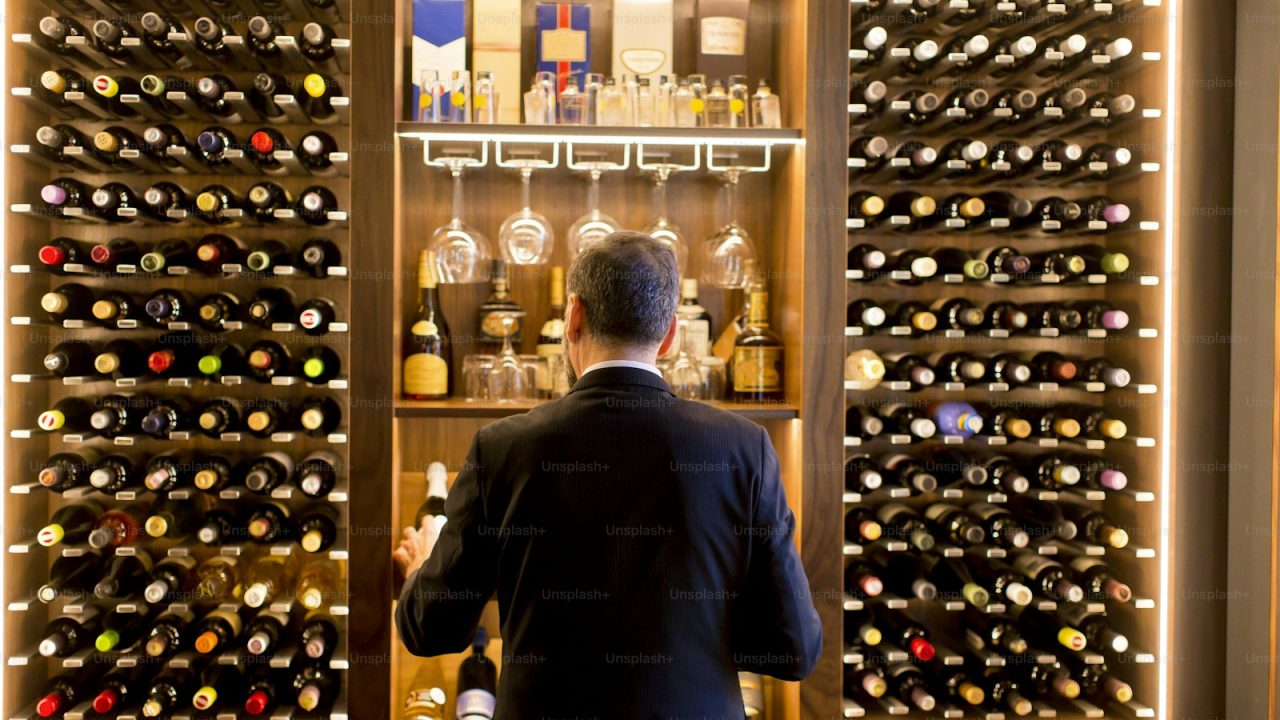

A liquor store POS system is the combined hardware and software that rings up sales, scans bottles, verifies customer age, tracks inventory across thousands of SKUs, and processes credit card payments at the counter. Choosing the right one is a margin decision, not a tech preference. Liquor retail runs on thin markups (often 20 to 30 percent on wine and spirits, lower on commodity beer), so the wrong system bleeds money through price errors, shrinkage, and processing fees that quietly eat 2.5 to 3.5 percent of every card transaction.
ProTech Payments helps liquor stores in Katy, Houston, Sugar Land, and across Fort Bend County select and deploy POS systems built for Texas alcohol retail. We pair the right terminal with merchant services priced for high-volume, low-margin operators, and we run a free statement analysis first so you see exactly what your current processor charges before switching anything.
The right POS pays for itself two ways. It cuts processing cost (a dual pricing or cash discount setup can offset most of your card fees), and it tightens inventory control so you stop losing 1 to 3 percent of revenue to theft and counting errors.
What a liquor store POS system actually does
A POS system for a liquor store handles problems a coffee shop never sees. You carry 3,000 to 15,000 SKUs, every bottle has a different cost and margin, prices change with distributor promotions, and state law requires you to check ID on every alcohol sale. The system that handles all of that without slowing the line is the one worth buying.
Beyond the cash register
The core job is recording the sale and taking payment. Modern liquor POS goes further: it scans the UPC on a bottle, pulls the price, applies any mix-and-match or case discount, prompts the clerk to verify age, captures the card payment, and updates inventory in real time. When a customer pays by card, the POS talks to a payment processor through a payment gateway that authorizes the transaction with Visa or Mastercard in under two seconds.
Why generic retail POS falls short
A general retail POS can run a liquor store, but it usually misses three things: age verification tied to the scan, case-break inventory (you buy by the case and sell by the bottle), and mix-and-match pricing (buy six bottles of wine, get 10 percent off). If your system cannot do those natively, clerks do them by hand, and manual work at the counter is where errors and theft live.
How liquor POS hardware and software work together
Every liquor POS is a stack: a terminal or tablet running the software, a barcode scanner, a receipt printer, a cash drawer, and a card reader that handles EMV chip, tap, and swipe. The software ties them together and connects out to your processor.
The hardware stack
Most stores run one of two builds. The first is an all-in-one terminal like Clover Station that bundles the screen, printer, and card reader into one unit. The second is a tablet-based setup (iPad or Android) with separate peripherals, which costs less up front but means more cables and more parts to fail. For a busy package store with two or three lanes, a sealed all-in-one unit holds up better than a tablet rig.
How a card payment moves
When a bottle gets scanned and the customer taps a card, the EMV chip or contactless reader captures encrypted card data and sends it to your processor (often First Data, now Fiserv, behind the scenes). The processor routes it through the card network, the issuing bank approves or declines based on available credit, and the answer comes back to the terminal. The whole loop is the core of in-store payments, and EMV chip technology shifted counterfeit-fraud liability to whichever party (you or the bank) has the less secure setup, so running current EMV hardware protects you from chargebacks on cloned cards.
Inventory and reporting
The software side is where a liquor POS earns its keep. It tracks every bottle, flags low stock before you run out of a fast mover, separates beer, wine, and spirits for tax reporting, and shows margin by category. Good systems sync inventory to a back-office dashboard so you reorder from home and catch shrinkage by comparing counted stock to expected stock.
The features that matter for a package store
Not every feature on a sales sheet matters to a liquor store. Five do.
Age verification
The system should prompt the clerk to scan or enter a date of birth on every alcohol sale and block the sale if the customer is under 21. ID-scanning readers that parse the barcode on a Texas driver license speed this up and create a record that you checked, which matters if TABC audits you.
Case-break and mix-and-match pricing
You buy a case of 12 and sell single bottles. The POS must split the case into sellable units automatically and price each correctly. Mix-and-match rules (any six wines for a case discount) should apply at the register without the clerk doing math.
High-SKU inventory
A liquor store catalog is large and changes constantly. The system needs fast UPC lookup, bulk price updates from distributor files, and low-stock alerts. Slow search at the counter kills throughput on a Friday night.
Integrated payments
Payments built into the POS beat a separate standalone terminal. Integration means the sale amount flows straight to the card reader (no rekeying, fewer errors) and every transaction reconciles automatically. ProTech sets up integrated point-of-sale hardware so your sales and payments live in one system.
PCI compliance
Any system touching card data has to meet PCI DSS standards. A current EMV terminal with point-to-point encryption keeps card data off your network and shrinks your compliance burden. We handle PCI compliance as part of the merchant account so you are not navigating the self-assessment questionnaire alone.
What a liquor store POS costs
POS cost has three parts: hardware, software subscription, and payment processing. The third is the biggest over time and the one most owners underestimate.
Hardware
A single all-in-one terminal runs roughly 800 to 1,800 dollars. A tablet-based lane costs 300 to 900 dollars in peripherals plus the tablet. Add a barcode scanner (50 to 200 dollars), an ID scanner (100 to 300 dollars), and a receipt printer if not bundled. Stores that prefer to preserve cash can spread this through equipment financing rather than paying up front.
Software
Monthly software runs 0 to 100 dollars per terminal depending on the platform. Clover plans for retail typically sit in the 50 to 80 dollar range per month with the features a liquor store needs.
Processing
This is the number that matters. On a store doing 80,000 dollars a month in card sales, a processing rate of 3.0 percent costs 2,400 dollars a month, or 28,800 a year. Drop that effective rate to 2.4 percent and you save roughly 5,760 a year. A cash discount program or dual pricing setup can push your net card cost close to zero. Run the math yourself with our credit card processing fee calculator.
Comparing the top POS options
The table below compares the systems liquor stores in the Houston area most often consider. Figures are typical ranges, not quotes.
| System | Hardware (per lane) | Monthly software | Age verification | Case-break inventory | Best for |
|---|---|---|---|---|---|
| Clover Station | 800 to 1,800 | 50 to 80 | Built in with app | Yes, with retail plan | Most package stores |
| Square for Retail | 300 to 800 | 0 to 89 | Limited, add-on | Basic | Small/new stores |
| Liquor-specific POS (mPower, Cash Register Express) | 1,000 to 2,500 | 50 to 100 | Native, ID scan | Yes, deep | High-volume, multi-lane |
| Tablet generic POS | 300 to 700 | 0 to 60 | Manual | Manual | Budget single lane |
Clover is the common choice because it balances cost, hardware durability, and liquor-specific apps, and it works with independent processors so you are not locked into one merchant account. Square is simpler and cheaper to start but its flat 2.6 percent plus 10 cents pricing gets expensive at volume and its age and inventory tools are thinner. For a deeper Clover and Square breakdown, see our Clover vs Square comparison, and for the broader decision read choosing a payment processor for a small business.
Cutting processing fees with dual pricing
Processing is the largest recurring POS cost, and Texas law lets liquor stores offset most of it legally.
How dual pricing works
Dual pricing shows two prices: a lower cash price and a slightly higher card price. Customers who pay cash get the discount; customers who pay by card cover the processing cost. Done correctly it is legal under Texas surcharge rules and keeps you compliant with Visa and Mastercard surcharge caps. ProTech configures dual pricing directly in the POS so the two prices show automatically and no clerk has to calculate anything.
What it saves
A store paying 2,400 a month in fees can cut that to near zero with dual pricing, which is the difference between 28,800 a year in cost and almost none. The Durbin Amendment caps debit interchange for large banks, but credit interchange stays high, so for a card-heavy liquor store dual pricing is usually the single biggest margin win available. Before deciding, read is dual pricing legal in Texas and the Texas credit card surcharge laws so you set it up within the rules.
Mistakes that cost liquor stores money
Four errors show up again and again in stores we analyze.
Buying the POS before pricing the processing
Owners pick a flashy terminal, then accept whatever processing rate the vendor bundles. The terminal is a few thousand dollars once; processing is tens of thousands a year. Price the processing first.
Ignoring the effective rate
A quoted rate of 2.4 percent means nothing if junk fees (PCI fees, batch fees, statement fees, monthly minimums) push your effective rate to 3.2 percent. The effective rate is total fees divided by total volume, and a free statement analysis is how you find it.
Skipping integrated age verification
Manual ID checks get skipped on busy nights, and a single underage sale can mean a TABC fine, a license suspension, and a clerk citation. An integrated prompt is cheap insurance.
Underusing inventory data
The POS collects margin and shrinkage data most owners never read. Stores that review category margin monthly catch slow movers, dead stock, and theft long before the annual count.
The Texas and Katy angle
Texas alcohol retail runs under TABC rules: package stores keep specific hours, cannot sell spirits on Sunday, and must verify age on every sale. Your POS should enforce hours and age prompts so a clerk cannot accidentally ring a prohibited sale.
Sales tax matters too. Texas charges 8.25 percent in most of the Houston metro (6.25 state plus local), and your POS has to apply it correctly and separate beer, wine, and spirits for reporting. A system configured for Texas rates and TABC categories saves hours at tax time.
ProTech Payments is based in Katy and works on the ground with stores across the metro. We support merchant services in Katy, Houston, Sugar Land, and surrounding Fort Bend County, and we set up the POS, configure Texas tax and TABC categories, and migrate your inventory so you are running clean from day one. Because liquor retail sits adjacent to convenience and grocery, owners often also look at our guide to the best POS for a convenience store.
Frequently asked questions
What is the best POS system for a liquor store?
For most independent package stores, Clover with a liquor-focused app paired with an independent processor offers the best mix of cost, durable hardware, age verification, and case-break inventory. High-volume multi-lane stores may prefer a dedicated liquor platform like Cash Register Express. The right choice depends on your SKU count, lane count, and processing volume, which is why we scope it per store.
Can a POS system check IDs and verify age automatically?
Yes. POS systems with ID-scanning readers parse the barcode on a Texas driver license, confirm the customer is 21 or older, and block the sale if not. This creates a record that you checked, which protects you in a TABC audit and removes the risk of a clerk forgetting on a busy night.
How much does a liquor store POS system cost?
Expect roughly 800 to 2,500 dollars per lane in hardware, 0 to 100 dollars a month in software, and the larger ongoing cost of payment processing. A store doing 80,000 dollars a month in card sales pays around 2,400 a month at a 3.0 percent rate, which dual pricing can cut to near zero.
Does dual pricing work for liquor stores in Texas?
Yes. Texas law permits dual pricing and surcharging within Visa and Mastercard caps, so a liquor store can show a lower cash price and a card price that covers processing. Configured correctly in the POS, it offsets most or all of your card fees while staying compliant.
Can I keep my current POS and just switch processors?
Often, yes. Many systems including Clover work with independent processors, so you can keep your hardware and software while moving to lower processing rates. We confirm compatibility during the free statement analysis before recommending any change.
How long does it take to set up a new liquor store POS?
A standard single-lane setup usually goes live within a few days once the merchant account is approved. Inventory migration for a large catalog can add time, but ProTech handles the SKU import, Texas tax configuration, and TABC category setup so the store is ready to ring sales correctly from the start.
Talk to ProTech Payments
Choosing a liquor store POS is really two decisions: the hardware that fits your counter and the processing that protects your margin. ProTech Payments handles both for stores across Katy, Houston, and Fort Bend County.
Start with a free statement analysis so you can see your true effective rate and what dual pricing would save, then get started when you are ready to deploy a POS configured for Texas alcohol retail. Questions first? Contact our Katy team and we will scope the right system for your store.