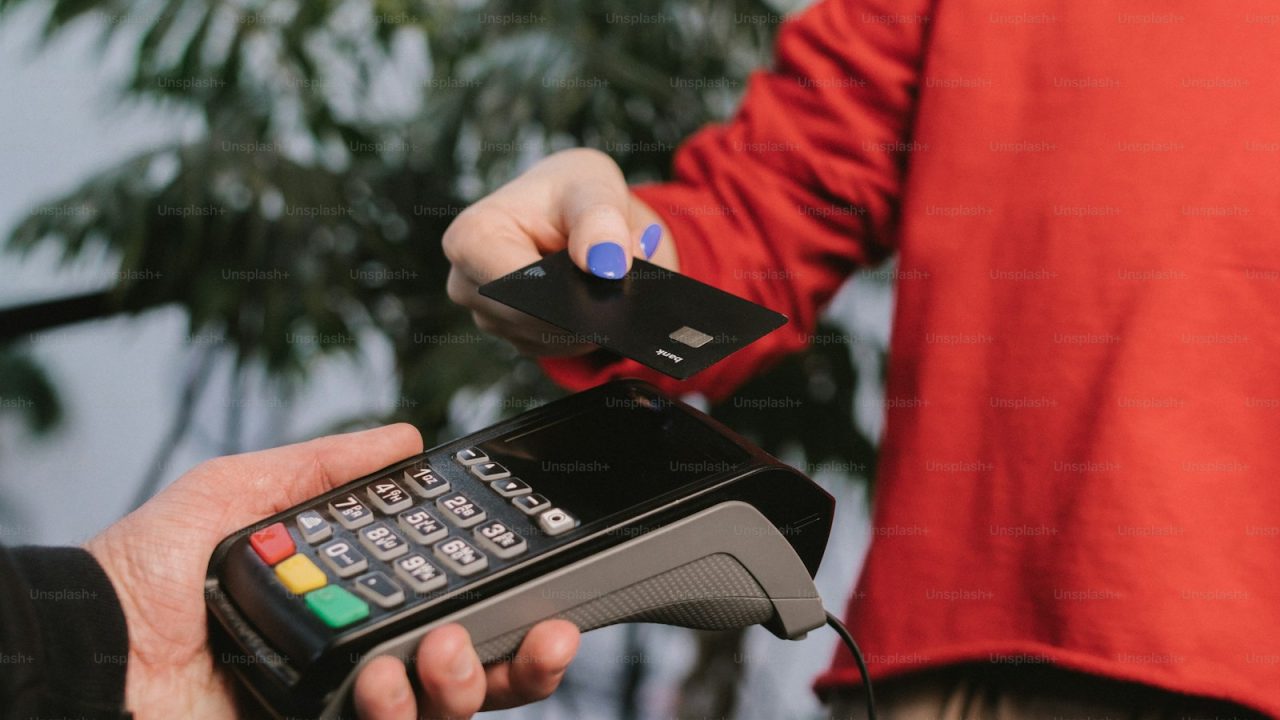

Square is a payment processor that charges flat-rate fees on every card transaction, bundling hardware, software, and processing into one published price. A Square swipe, dip, or tap costs 2.6% plus 10 cents, an online or invoice charge runs 2.9% plus 30 cents, and a keyed-in or card-on-file transaction sits at 3.5% plus 15 cents. Those rates are the same whether the customer pays with a Visa debit card that costs Square pennies to clear or a high-reward Mastercard that costs it far more, which is the heart of why flat-rate pricing quietly overcharges most businesses.
ProTech Payments, a merchant services provider at 25140 Kingsland Blvd STE 180 in Katy, Texas, works with restaurants, retailers, auto shops, salons, and B2B firms across Houston and Fort Bend County that started on Square and outgrew it. The pattern is consistent: once a business processes more than roughly $10,000 to $15,000 a month, Square’s flat markup costs hundreds of dollars more than interchange-plus pricing or a dual pricing program that moves the card cost to the customer. The savings are not theoretical. A free statement review usually surfaces the exact dollar gap in under fifteen minutes.
This guide breaks down every Square fee, shows how the underlying interchange system actually sets card costs, and compares Square’s flat model against interchange-plus and dual pricing with real numbers. The goal is a clear decision: keep Square, or switch and keep the difference.
What Square fees actually cover
Square charges a single blended rate that hides three separate cost layers underneath. Every card transaction carries interchange (paid to the card-issuing bank), card network assessments (paid to Visa, Mastercard, Discover, and American Express), and the processor’s own markup. Square collapses all three into one published percentage so the merchant never sees the split.
That simplicity is the selling point and the trap. Because interchange varies from about 0.05% on a regulated debit card to over 3.0% on a premium rewards or corporate card, Square has to set its flat rate high enough to stay profitable on the expensive cards. On cheap debit transactions, that means Square keeps a large margin. The merchant pays 2.6% on a debit card that Square cleared for under 0.5%.
What you get for the fee
The Square rate does include real services: hardware that often starts free (the magstripe reader), a point-of-sale app, basic reporting, and next-business-day deposits. For a brand-new business doing a few hundred dollars a week, that bundle has genuine value because there is no monthly minimum and no statement to analyze. The problem is volume. The same all-in-one price that helps a startup penalizes an established shop running real revenue.
Square’s full fee schedule
Square publishes its core processing rates, but the full picture includes software tiers, instant-deposit charges, and dispute fees. Here is the standard 2026 schedule for US accounts.
| Transaction type | Square rate | Notes |
|---|---|---|
| In-person (tap, dip, swipe) | 2.6% + $0.10 | Standard card-present |
| Online / e-commerce | 2.9% + $0.30 | Includes Square Online checkout |
| Invoices | 3.3% + $0.30 | Card-on-file invoices |
| Keyed-in / virtual terminal | 3.5% + $0.15 | Card not present, manual entry |
| Square POS software | $0 base | Plus/Premium tiers $29 to $69+/mo |
| Instant deposit | 1.75% per transfer | To skip the 1-2 day wait |
| Chargeback fee | $0 (Square absorbs) | But funds are held during dispute |
On a $50 average ticket, the in-person rate of 2.6% plus 10 cents equals $1.40, or an effective rate of 2.8%. On a $20 ticket the fixed dime hurts more: $0.62, an effective 3.1%. The per-transaction flat fee disproportionately taxes low-ticket businesses like coffee shops and convenience stores.
How card pricing really works
Interchange is the wholesale cost of accepting a card, set by Visa and Mastercard and paid to the bank that issued the customer’s card. No processor, Square included, can change interchange. It is the floor everyone builds on. Understanding it is the difference between accepting a flat rate and negotiating a real one, which our interchange fees explained breakdown covers in depth.
The three layers, separated
A standard Visa consumer credit card might carry interchange of 1.65% plus 10 cents. Visa adds an assessment of roughly 0.14%. A transparent processor then adds its markup on top, often a fixed amount like 0.30% plus a few cents. Total cost to the merchant: around 2.09% plus 14 cents. Square charges 2.6% plus 10 cents on that same card and keeps the spread.
Why card type matters
Durbin Amendment regulation caps debit interchange at roughly 0.05% plus 21 cents for large banks, so a regulated debit card is one of the cheapest things a merchant can accept. Premium rewards cards and corporate cards sit at the top, sometimes above 2.5% interchange before any markup. The card mix in your sales determines your true cost. EMV chip acceptance and proper PCI DSS handling keep you in the lowest qualifying tiers and reduce fraud liability. A business heavy on debit (groceries, gas, quick-service food) is being overcharged the most by Square’s one-size rate.
Square vs interchange-plus vs dual pricing
The three common pricing models produce very different outcomes at the same volume. Interchange-plus passes through the true card cost and adds a fixed, visible markup. Dual pricing (also called cash discount) shifts the card cost to the customer who chooses to pay by card, dropping the merchant’s effective fee close to zero. Compare a business processing $30,000 a month at a 2.0% blended interchange.
| Model | What you pay | Monthly cost on $30,000 | Annual cost |
|---|---|---|---|
| Square flat 2.6% + $0.10 | Flat markup on everything | ~$840 (incl. fixed fees) | ~$10,080 |
| Interchange-plus (2.0% + 0.30% + $0.10) | True cost + visible markup | ~$690 | ~$8,280 |
| Dual pricing | Card cost moves to customer | ~$0 to $99 program fee | ~$1,200 or less |
At $30,000 a month, switching from Square to interchange-plus saves roughly $1,800 a year, and dual pricing can eliminate nearly all of it. Run your own numbers with the dual pricing savings calculator or the credit card processing fee calculator. The gap widens at higher volume because Square’s markup is a percentage, not a fixed cost.
Hidden costs Square does not advertise
The headline rate is not the whole bill. Several Square costs surprise merchants after they sign up.
Held funds and account freezes
Square underwrites accounts after the fact, not before. A sudden spike in volume, a string of large tickets, or a chargeback cluster can trigger a hold that freezes deposits for days while Square reviews the account. Businesses in higher-risk categories get little warning. A dedicated merchant account with real underwriting, including high-risk merchant accounts, avoids the surprise freeze because the risk profile is reviewed up front.
Instant deposit and software creep
The free POS tier covers basics, but features merchants actually use (advanced inventory, team management, loyalty) sit behind Square Plus and Premium plans at $29 to $69 or more per month. Add the 1.75% instant-deposit fee if you cannot wait for the standard transfer, and the true cost climbs well past the advertised 2.6%.
Chargeback exposure
Square does not charge a per-chargeback fee, which sounds generous, but it controls the dispute process and holds disputed funds. Merchants with frequent disputes benefit more from active chargeback management than from a waived fee. Our chargeback prevention playbook covers the documentation that wins disputes regardless of processor.
Square fees by business type
The same Square rate lands very differently across verticals because ticket size and card mix change the effective cost.
Restaurants and quick-service
Tips, split checks, and high transaction counts make the 10-cent per-swipe fee add up fast. A cafe running 400 transactions a day pays $40 a day in fixed fees alone before the percentage. Restaurant merchant services with interchange-plus or dual pricing recover most of that. See the full restaurant credit card processing guide for the breakdown.
Retail and high-volume
Retailers with strong debit volume are overcharged the most by Square’s flat rate, since debit interchange is a fraction of what Square charges. Retail merchant services paired with the right point-of-sale hardware capture the savings without disrupting checkout.
Service and B2B
Auto shops, salons, and professional firms often run larger tickets where the percentage dominates. A $1,200 auto repair costs $31.30 on Square’s in-person rate. On interchange-plus that same charge drops by $8 to $12. Auto repair merchant services and B2B wholesale merchant services with Level 2 and Level 3 data can cut B2B card costs further by qualifying for lower interchange.
When switching from Square makes sense
The decision is mostly about volume and ticket size. Square wins for businesses under roughly $5,000 a month with no monthly fees to worry about. Above that, the math flips.
The volume threshold
Most businesses processing more than $10,000 a month save money leaving Square’s flat rate, and the savings grow at higher volume. The fixed monthly fees of a traditional account (often $10 to $25) are easily offset once the percentage savings kick in. Choosing the right model matters more than the brand, which our choosing a payment processor for small business guide walks through.
What a switch looks like
Modern processors offer the same conveniences Square popularized: free or low-cost Clover hardware, online payments, mobile payments, a virtual terminal for phone orders, and next-day funding. The switch is not a downgrade in features, it is a downgrade in fees. First Data, now Fiserv, powers much of the back-end processing behind both Square and traditional providers, so the rails are the same.
The Texas angle
Texas law permits surcharging and dual pricing, which makes the savings strategy especially clean for Katy and Houston businesses. A merchant can post a card price and a cash price and let the customer choose, moving most of the card cost off the books legally. The rules require clear signage and a surcharge cap, and ProTech sets up compliant programs that follow them.
Local businesses in Katy, Houston, Sugar Land, and Cypress work with a Fort Bend County team that meets in person, reviews the actual Square statement, and prices against the real interchange. That local accountability is the practical difference from Square’s app-only support. The cash discount program and Texas surcharge rules are detailed in our cash discount program Texas guide, and you can estimate the impact with the Texas surcharge calculator.
Frequently asked questions
How much does Square charge per transaction?
Square charges 2.6% plus 10 cents for in-person taps, dips, and swipes, 2.9% plus 30 cents for online sales, and 3.5% plus 15 cents for keyed-in transactions. The same rate applies regardless of the customer’s card type, so debit transactions cost the same as expensive rewards cards.
Is Square cheaper than a merchant account?
For very small or new businesses, Square is often cheaper because it has no monthly fees. Once monthly volume passes roughly $10,000, a dedicated merchant account with interchange-plus or dual pricing almost always costs less because it passes through the true card cost instead of a flat markup.
Can I avoid Square fees entirely?
You cannot avoid card processing costs entirely because interchange is set by Visa and Mastercard and paid to issuing banks. You can shift the card cost to the customer with a legal dual pricing or cash discount program in Texas, which brings your effective fee close to zero.
Does Square charge for chargebacks?
Square does not charge a separate per-chargeback fee, but it holds the disputed funds during the review and controls the process. Businesses with frequent disputes often do better with a provider that offers active chargeback management and clear evidence handling.
What are Square’s hidden fees?
The main extras beyond the headline rate are the 1.75% instant-deposit fee, monthly charges of $29 to $69 or more for advanced software tiers, and the risk of held or frozen funds when volume spikes or disputes cluster.
How do I find out exactly what I am overpaying?
A free statement analysis compares your current Square effective rate against interchange-plus and dual pricing using your real transaction data. The review takes about fifteen minutes and shows the exact monthly and annual dollar difference.
Talk to ProTech Payments
Square’s flat rate is simple, and that simplicity costs most Houston-area businesses real money once volume picks up. The fastest way to know your number is to put your statement next to a transparent quote. Get a free statement analysis and ProTech will show the exact dollar gap between your Square bill and interchange-plus or dual pricing, with no obligation.
Ready to keep the difference? Get started with a ProTech merchant account, or contact the Katy team at (888) 255-0425 to set up compliant dual pricing for your Texas business.